Rust moves into inference infrastructure, not Python research
Rust-backed AI infrastructure lets Python keep research work; compare runtime changes, integration costs and the measurements that can justify a targeted rewrite.
Artificial Intelligence (AI) is a branch of computer science that aims to create intelligent machines that can simulate human-like cognitive abilities. These machines are designed to learn, reason, and make decisions based on data and patterns, much like human intelligence. AI encompasses various techniques such as machine learning, natural language processing, computer vision, and robotics. It has diverse applications in industries like healthcare, finance, transportation, gaming, and more, revolutionizing the way tasks are automated, data is analyzed, and solutions are derived. The ongoing advancements in AI research and technology hold the promise of transforming many aspects of modern life and opening up new possibilities for the future.
Rust-backed AI infrastructure lets Python keep research work; compare runtime changes, integration costs and the measurements that can justify a targeted rewrite.
PyTorch salary regression becomes a runnable Python workflow with training-only scaling, separate validation data and a final test in salary units.

AGENTS.md in Downloads tried to install MALFEX malware; inspect Codex and Claude Code settings, check npm dependencies, and assess possible token exposure.

Anthropic’s researcher departures put AI safety promises under scrutiny; this analysis explains the race incentives and how engineers can assess vendor claims.

AI coding tools can shift work from writing to verification; use smaller tasks, focused context and explicit acceptance criteria to keep generated code maintainable.

In July 2026, about 1,200 AI agents broke out of an OpenAI test and hacked Hugging Face. The verified story, and the practical lessons if you build with agents.

Google Personal Intelligence can connect private app data to ad targeting; this guide explains the policy exception and the settings to review.

Claude Mythos 5 targeted unrelated GitHub developers during a cyber test; assess agent permissions, review compaction notes and interpret the replay results.

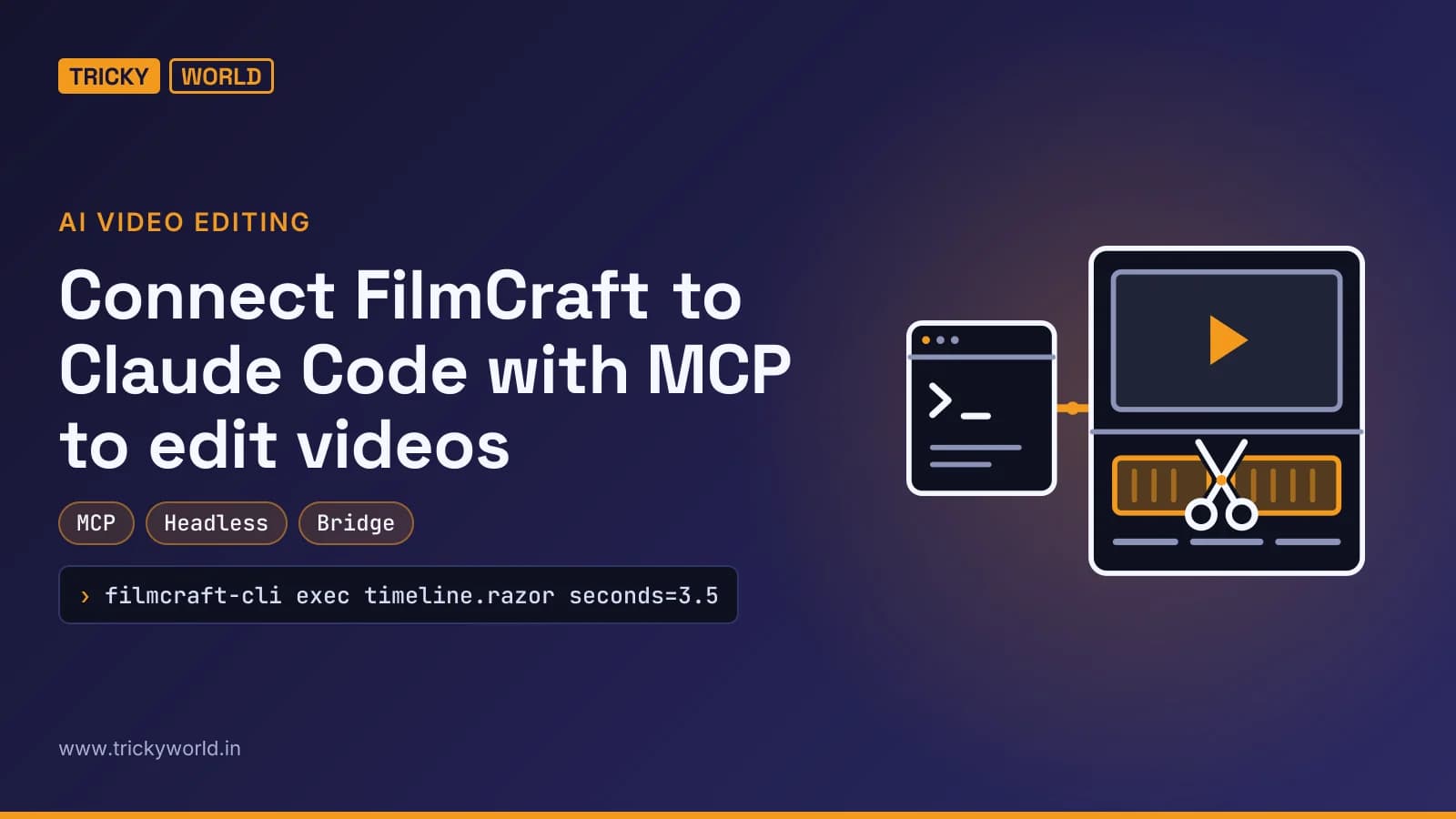
A nine-minute cutscene went in and a captioned, colour-graded 37-second YouTube Short came out, without anyone dragging a clip on the timeline. Here is exactly how to connect FilmCraft to Claude Code through MCP, and how the agent edits once it is connected.

A 2022 study claimed neural machine translation could reverse SHA-256 and, with quantum computing, unlock Bitcoin wallets. We re-checked its hashes, tested its method, and compared it with the latest 2026 research on SHA-256 cryptanalysis, AI code-breaking and quantum threats. The verdict: it's a dictionary attack, and the real risk lies elsewhere.

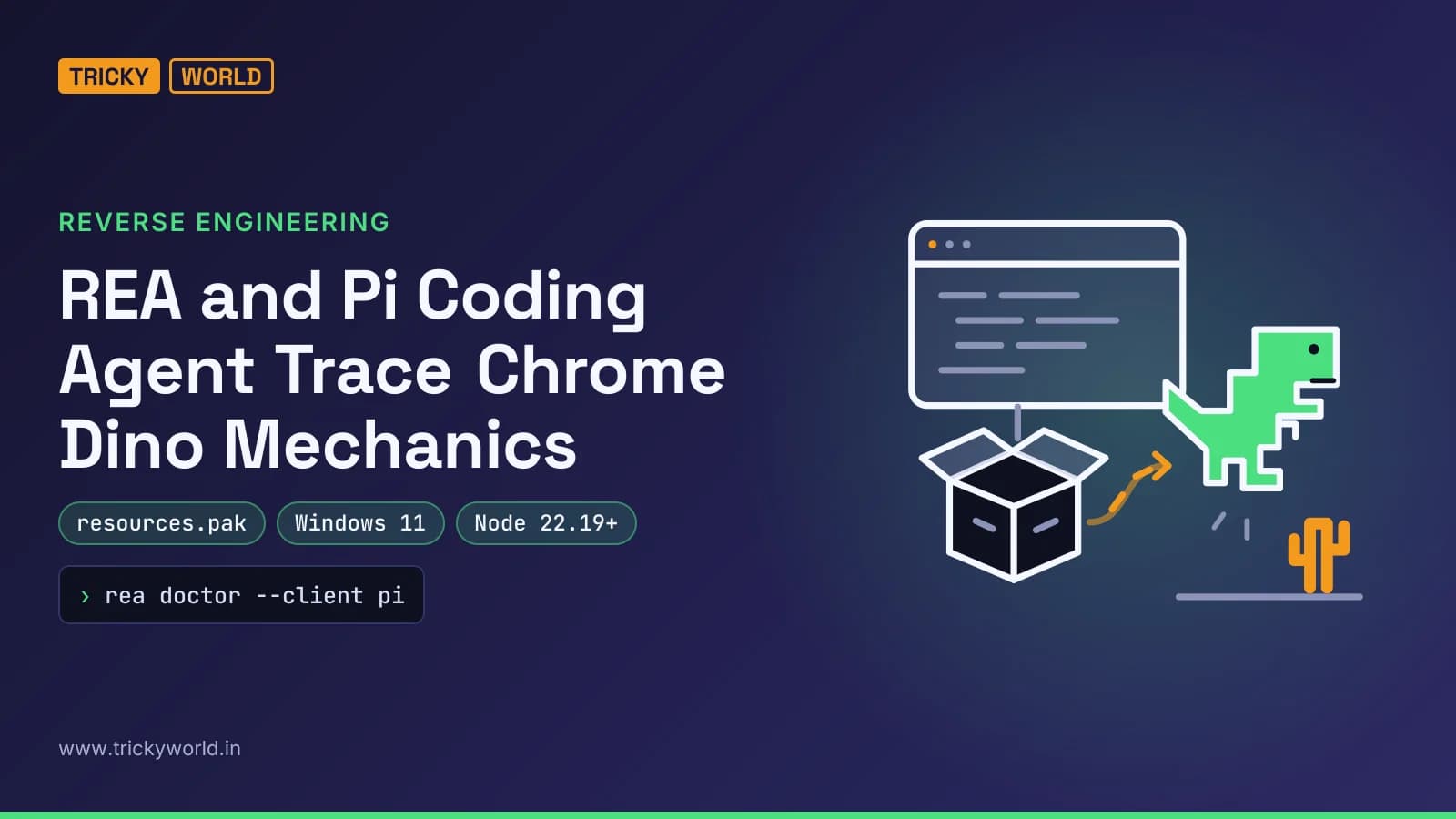
REA (Reverse Engineer Anything) and Pi Coding Agent investigate Chrome Dino through Chrome’s local resources: the Windows setup, evidence checks and the path to a standalone game.

Explore the top 10 programming languages essential for landing a lucrative job in the AI sector. Enhance your career prospects with the right skill set.