Beginner's Guide to Coding: 7 Questions Answered
Starting to code means building a firm grasp of the basics through structured, hands-on practice before moving to real-world projects. Choose a language based on your interests and career goals; a Computer Science degree is not required, but technical interviews need separate preparation and progress depends on your background and consistent practice.
Summary written with AI from this article, and checked against it.

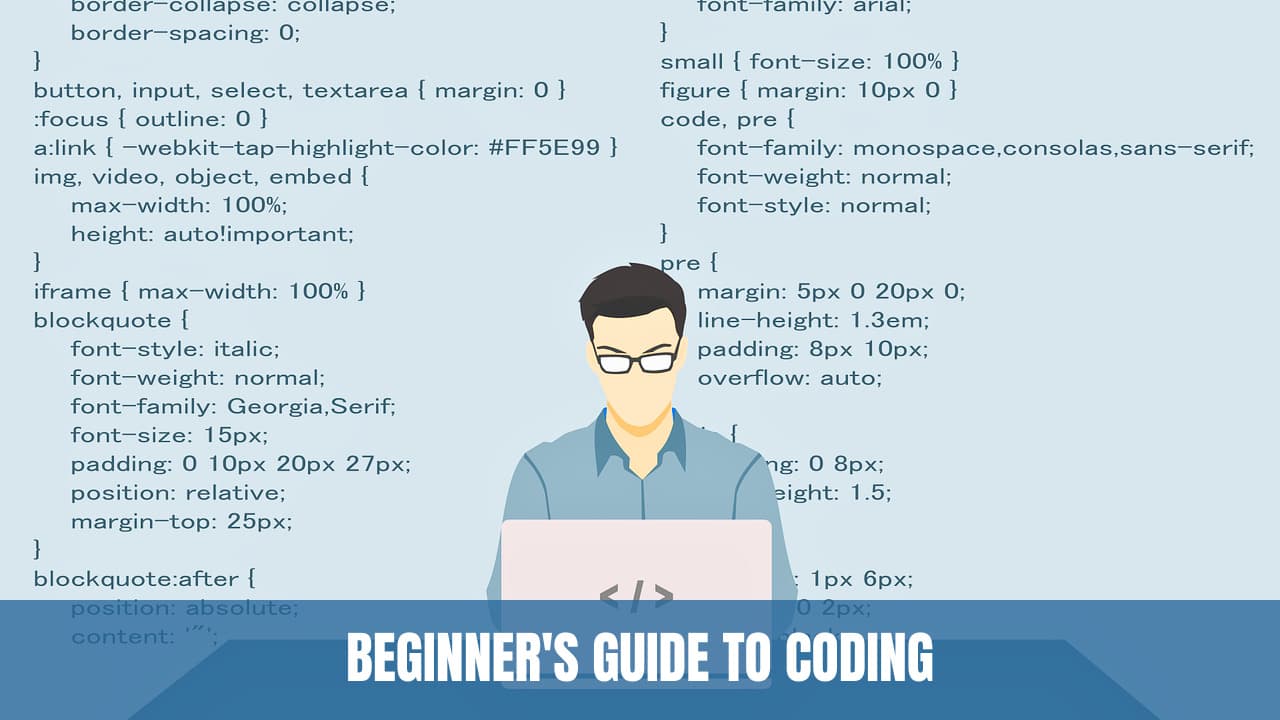
How to Start Coding? 7 Beginner Programmer FAQs
Embarking on a journey to learn coding can bring numerous questions to mind. Today, we address several prevalent queries that budding programmers often grapple with. This guide aims to shed light on how to commence your coding journey prudently and the resources available to aid your learning process.
1. What is the best way to learn how to code?
Learning to code is akin to learning how to drive: one should commence with the basics before advancing to more complex stages. In the initial phase, it's crucial to familiarize yourself with the core concepts and principles that underlie coding. A structured, hands-on approach to learning, where you can immerse yourself in the basic elements first, lays a solid foundation for your future in coding.
Moreover, focusing on understanding the core concepts profoundly before progressing to more advanced projects enables smoother learning. As you cultivate this "muscle memory", you will find it easier to adapt to new skills in the future, enhancing your adaptability and proficiency in the rapidly evolving world of technology.
2. When should I start focusing on projects?
After establishing a robust understanding of the basics, it becomes vital to start applying your knowledge in real-world contexts. Just as a driver must eventually venture onto the roads from the parking lot, budding coders need to engage in actual projects to develop their skills comprehensively.
Embarking on real-world projects mirrors the professional environment where developers often work on specific components of large projects. This shift from solving simple problems to undertaking actual projects is an essential step in your learning journey. Nevertheless, it is advised to ensure a thorough understanding of the basics to prevent getting overwhelmed when you start with projects.
3. What programming language should I learn first?
Choosing your first programming language is less critical than it seems. The primary purpose of any language is to translate your solution into a format decipherable by computers. What matters most is establishing a solid understanding of the computer science fundamentals which will, in turn, facilitate learning any programming language in the future.
Various languages suit different individuals based on their interests and career goals. While Python is known for its versatility, HTML, CSS, and JavaScript are essential for those leaning towards web development. Depending on your personal preference and the sector you aspire to join, your choice of language can vary.
4. What’s the hardest part about learning how to code?
Coding is indeed a challenging endeavor. Many learners find the "last mile" of their journey, especially arduous. After grasping the fundamentals and applying them in real-world situations, the final step involves preparing for technical interviews. This phase demands a separate set of skills, and learning does not cease once you've mastered the basics. The competitive nature of the industry necessitates continuous learning and preparation.
5. Do I need a Computer Science degree to get a job?
A formal education in computer science, while beneficial, is not a strict requirement in the tech industry. Many online platforms offer resources to help you master the essential concepts and skills necessary for a career in this field. What counts is your understanding of the fundamentals of computer science and your ability to apply them effectively in real-world scenarios.
6. Will self-taught programmers be at a disadvantage?
Although self-taught programmers might find it slightly challenging to enter the industry initially, their growth potential is not stifled. Continuous learning is integral in the tech world, and with dedication, self-taught individuals can certainly carve a niche for themselves in the sector. Participating in projects and open-source contributions can significantly bolster their portfolio, paving the way for a successful career.
7. How long will it take me to learn how to code?
The time required to learn coding depends greatly on individual goals and backgrounds. For some, learning the basics might take a few weeks, while others may need a year to get proficient enough to undertake simple projects. Consistent practice and a drive to keep learning are vital components in speeding up the learning process. Depending on your objectives, your journey to becoming a software engineer might vary considerably in length.
8. How is Educative different from other learning platforms?
Educative stands out in its approach to coding education by emphasizing hands-on learning experiences. Unlike platforms that rely heavily on videos, Educative fosters learning through interactive quizzes, coding sandboxes, and playgrounds, offering a more immersive learning experience. This method ensures deeper understanding and long-term retention of information, preparing learners more effectively for real-world challenges.
Embarking on your coding journey with a structured approach can significantly influence your learning trajectory. Make sure to assimilate the fundamentals firmly before moving on to more complex projects. Your dedication and continual learning will be your most substantial assets in this journey.

About the author
Vishal · Software & security engineerVishal writes Trickyworld's tutorials and interview-preparation guides on programming, databases, cyber security and AI. Vishal has been shipping production software long enough to have firm opinions about Python, PHP, Node.js, and JavaScript, and to have been wrong about each of them at least once. The work has run the whole stack: Drupal and Laravel applications, React front ends, MySQL and MongoDB underneath, Redis and Memcached for the things that had to be fast, Apache Solr for the things that had to be findable. That last part turned out to matter more than anyone expected. Tune a Solr index for a season, then watch a language model confidently retrieve the wrong document, and you recognise an old problem wearing new clothes. Most of what is hard about AI systems is not the model. It is retrieval, caching, latency budgets, and deciding what the system does when the answer comes back wrong — which is work he has been doing since well before anyone called it AI engineering. He plays a lot of games, which is less a hobby disclosure than an admission of where a good share of his engineering instinct came from. Real-time systems with a frame budget. State that has to stay coherent while a player does something no designer anticipated. The permanent question of what happens when the frame cannot finish in time. Those habits carry over more directly than they have any right to. He has written several books on programming, all built on the same conviction: most technical writing is unclear because the author never decided what to leave out. More from Vishal → · Editorial policy