Windows Policy Loophole and Forged Kernel-Mode Driver Signatures
This article provides an in-depth analysis of the exploitation of a Windows policy loophole used for forging Kernel-Mode Driver Signatures, along with actionable recommendations.

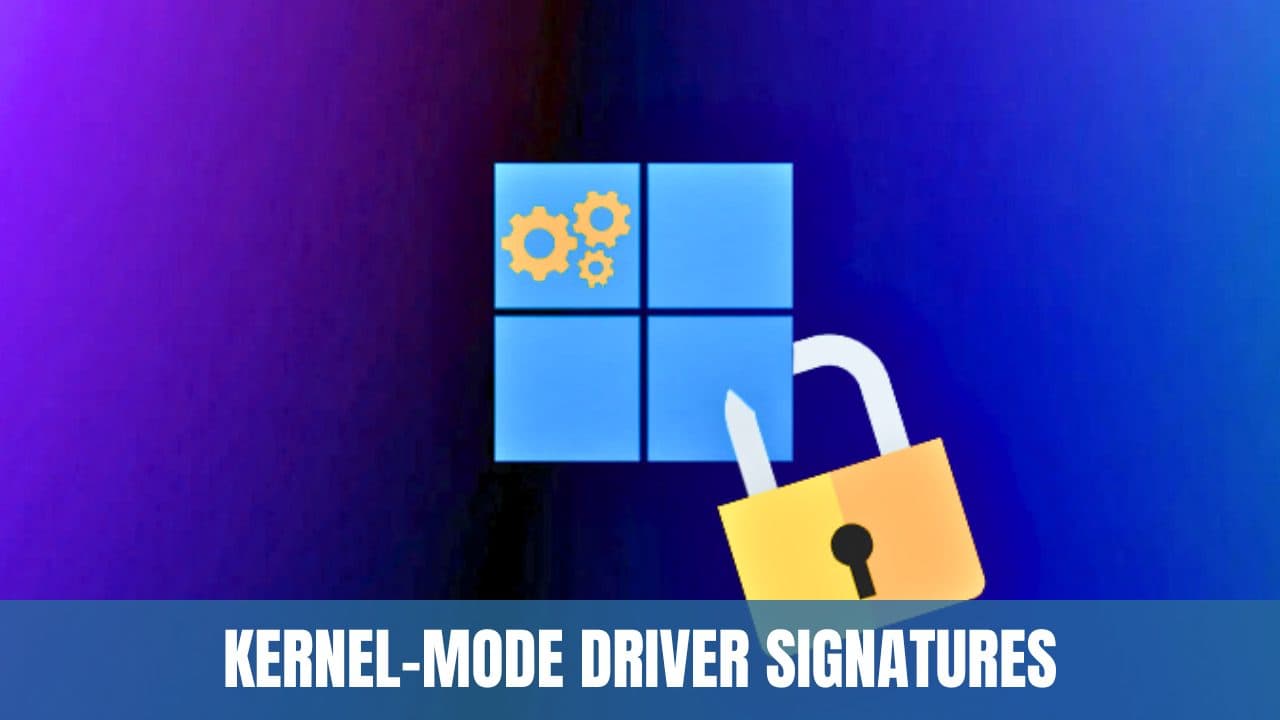
The cybersecurity community is increasingly concerned about the exploitation of a Windows policy loophole that enables malicious actors to forge Kernel-Mode Driver Signatures. This article will delve into the technical aspects of this vulnerability, discuss its implications, and present real-world examples, along with recommendations for securing systems against this specific threat.
What Are Kernel-Mode Driver Signatures?
Definition and Importance
Kernel-Mode Driver Signatures are cryptographic signatures that verify the integrity of driver software running at the kernel level in Windows operating systems. They are essential for ensuring that only legitimate, verified drivers are loaded into the system kernel, which is a critical part of an operating system.
Why are they Targeted?
Being a crucial security feature, Kernel-Mode Driver Signatures are often the target of attackers. By forging these signatures, malicious actors can load compromised drivers into the system, thereby gaining elevated privileges.
The Loophole: A Technical Overview
Mechanism of Exploitation
The loophole allows attackers to bypass the signature verification process altogether. By exploiting specific Windows policies, these actors can trick the operating system into accepting a forged signature as genuine.
How Does it Happen?
The exploit takes advantage of lax policy enforcement concerning third-party drivers. Often, these policies are overlooked or misconfigured, making it easier for attackers to carry out the exploitation.
Real-World Examples
Case Study: Financial Institution
A large financial institution recently fell victim to this exploit. Malicious actors used the loophole to install a driver that siphoned off sensitive customer information. Because the forged driver appeared legitimate, it took an extended period for the institution to detect the breach.
Implications and Risks
Security Risks
The most immediate risk is unauthorized access to sensitive system files and data. This can lead to data breaches and, in extreme cases, system failures.
Wider Impact
Over time, repeated exploitation of this loophole could erode user trust in Windows security mechanisms, impacting both individual users and organizational stakeholders.
Recommendations and Preventative Measures
Immediate Steps
One of the most effective preventative measures is to review and, if necessary, tighten the Windows policy settings that govern third-party driver installations.
Long-term Solutions
Regularly updating Windows and employing robust security solutions that specifically target driver-level exploits can considerably mitigate the risks.
Conclusion
The exploitation of the Windows policy loophole to forge Kernel-Mode Driver Signatures is a significant security concern that should not be taken lightly. Immediate action is required to close this loophole and restore faith in the system's ability to protect against unauthorized access.

Vishal writes Trickyworld's tutorials and interview-preparation guides on programming, databases, cyber security and AI. Vishal has been shipping production software long enough to have firm opinions about Python, PHP, Node.js, and JavaScript, and to have been wrong about each of them at least once. The work has run the whole stack: Drupal and Laravel applications, React front ends, MySQL and MongoDB underneath, Redis and Memcached for the things that had to be fast, Apache Solr for the things that had to be findable. That last part turned out to matter more than anyone expected. Tune a Solr index for a season, then watch a language model confidently retrieve the wrong document, and you recognise an old problem wearing new clothes. Most of what is hard about AI systems is not the model. It is retrieval, caching, latency budgets, and deciding what the system does when the answer comes back wrong — which is work he has been doing since well before anyone called it AI engineering. He plays a lot of games, which is less a hobby disclosure than an admission of where a good share of his engineering instinct came from. Real-time systems with a frame budget. State that has to stay coherent while a player does something no designer anticipated. The permanent question of what happens when the frame cannot finish in time. Those habits carry over more directly than they have any right to. He has written several books on programming, all built on the same conviction: most technical writing is unclear because the author never decided what to leave out. More from Vishal → · Editorial policy