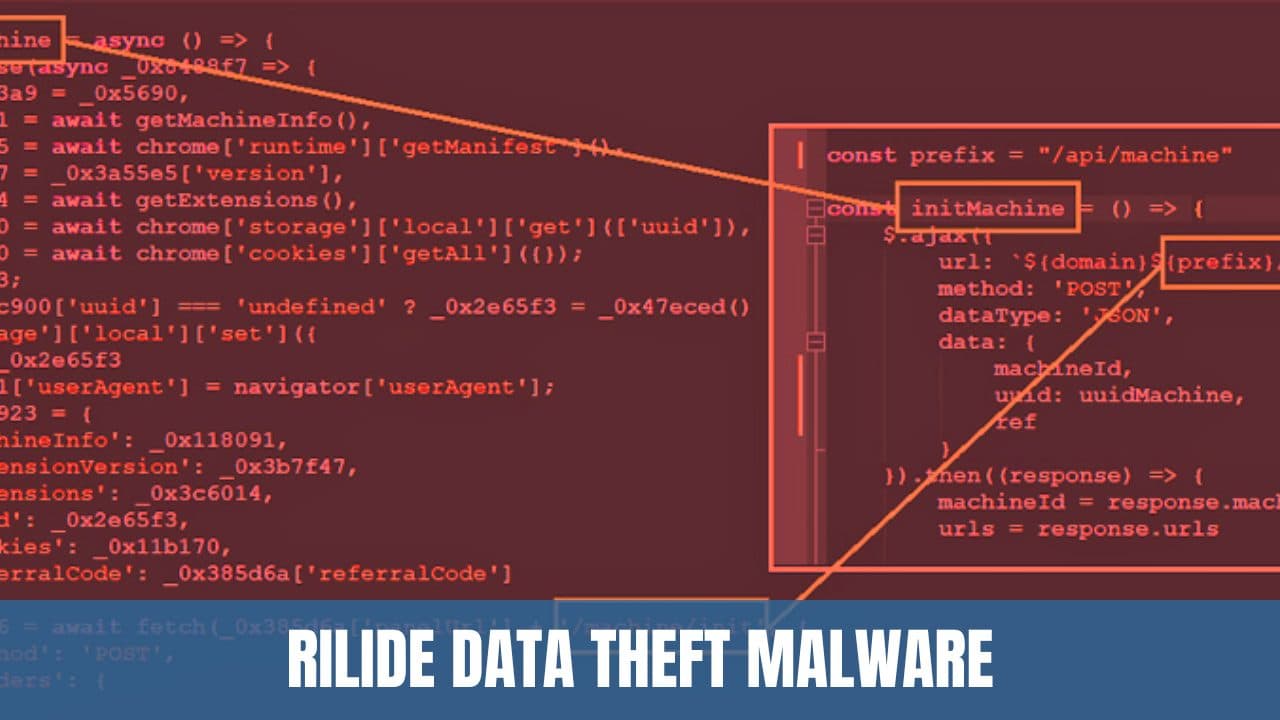
HotRat Malware: A Deep Dive into the New AsyncRAT Variant Spread via Pirated Software
Uncover the intricacies of the 'HotRat' malware, an advanced variant of AsyncRAT, its propagation through free, pirated software, and steps to safeguard against it.

The digital landscape witnesses continuous evolution, both in technology and in threats. A recent manifestation of this evolving threat landscape is the 'HotRat', a new variant of the well-known AsyncRAT malware. This article aims to elucidate this new threat, its mechanisms, and the dangers it poses, especially when propagated through free, pirated software.
1. Understanding AsyncRAT
To comprehend 'HotRat', it's essential to grasp its origins. AsyncRAT is a Remote Access Trojan (RAT) which provides unauthorized users with the ability to commandeer a system remotely. Like other RATs, AsyncRAT allows cybercriminals to manage files, view screens, and even capture keystrokes on compromised systems.
Example: Consider an individual using their computer to draft a confidential email. If infected with a RAT, an attacker could be silently observing the user’s activity, recording keystrokes, and stealing sensitive information.
2. Introduction to 'HotRat'
Building upon the foundation laid by AsyncRAT, 'HotRat' introduces enhanced functionalities and stealth mechanisms, making it even more lethal. It not only carries the basic features of the original AsyncRAT but also includes advanced evasion techniques to bypass conventional antivirus solutions.
3. Propagation via Free, Pirated Software
Pirated software, often sought because it's free, poses considerable risks. The allure of not paying can come with hidden costs. 'HotRat' preys upon this human tendency, embedding itself within these pirated applications.
Example: Imagine a user downloading a pirated version of a popular video editing software. While the software might work as intended, it could secretly house 'HotRat', which would stealthily install itself in the background, giving cybercriminals a backdoor into the user’s computer.
4. Dangers of 'HotRat'
Being an advanced version of AsyncRAT, 'HotRat' presents multiple threats:
a. Data Theft: Once installed, 'HotRat' can siphon off sensitive data, including passwords, financial details, and personal documents.
b. Surveillance: 'HotRat' can turn on webcams or microphones, enabling cybercriminals to eavesdrop on the victim’s surroundings.
c. System Control: Attackers can upload, download, or delete files, potentially crippling systems or holding data ransom.
Example: A business might find its financial spreadsheets or customer databases being uploaded to unknown locations. These can later be sold or used for blackmail.
5. Protection Against 'HotRat'
Prevention is always better than cure, especially in cybersecurity. Here are some measures:
a. Avoid Pirated Software: As tempting as it might be, always opt for genuine software. This reduces the risk of malware infections considerably.
b. Update Regularly: Ensure that all software, especially antivirus solutions, are up to date.
c. Educate and Train: Employees should be educated about the risks of downloading and installing unverified software.
Example: A company could conduct monthly cybersecurity workshops to ensure that every team member understands the importance of software integrity.
6. Conclusion
The emergence of 'HotRat' underscores the persistent and evolving threat that malware poses. As cyber threats grow in sophistication, understanding these risks and adopting best practices is the first line of defense. Steer clear of pirated software, stay informed, and remain vigilant.
By adhering to the basic principles of cybersecurity and fostering a culture of caution and awareness, both individuals and organizations can substantially mitigate the risks posed by threats like 'HotRat'.

Vishal writes Trickyworld's tutorials and interview-preparation guides on programming, databases, cyber security and AI. Vishal has been shipping production software long enough to have firm opinions about Python, PHP, Node.js, and JavaScript, and to have been wrong about each of them at least once. The work has run the whole stack: Drupal and Laravel applications, React front ends, MySQL and MongoDB underneath, Redis and Memcached for the things that had to be fast, Apache Solr for the things that had to be findable. That last part turned out to matter more than anyone expected. Tune a Solr index for a season, then watch a language model confidently retrieve the wrong document, and you recognise an old problem wearing new clothes. Most of what is hard about AI systems is not the model. It is retrieval, caching, latency budgets, and deciding what the system does when the answer comes back wrong — which is work he has been doing since well before anyone called it AI engineering. He plays a lot of games, which is less a hobby disclosure than an admission of where a good share of his engineering instinct came from. Real-time systems with a frame budget. State that has to stay coherent while a player does something no designer anticipated. The permanent question of what happens when the frame cannot finish in time. Those habits carry over more directly than they have any right to. He has written several books on programming, all built on the same conviction: most technical writing is unclear because the author never decided what to leave out. More from Vishal → · Editorial policy