Deleted File Recovery: Six Files Restored After Deletion
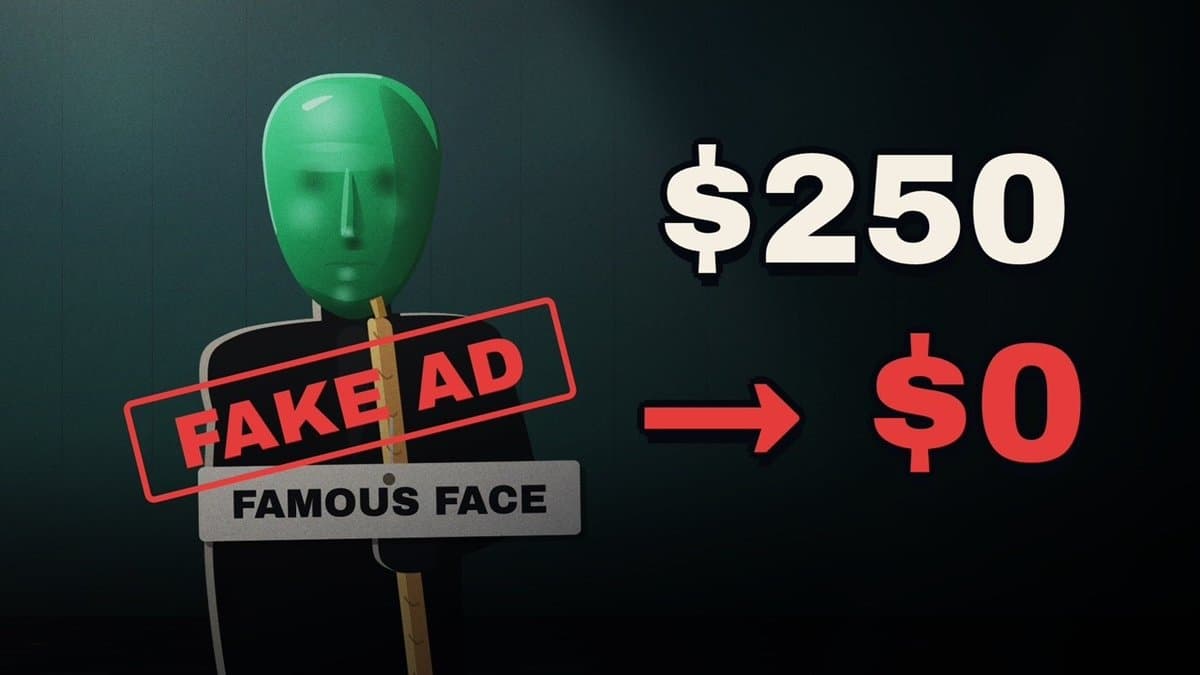
The video tests whether deleted files really disappear. A virtual drive formatted like a memory card holds six made-up private files; after deletion and emptying the Trash, all six return with hashes matching the originals.
The test explains how recovery tools find deleted data, recovers five files after a quick format, and finds none after overwriting the drive with zeros. It also explains why TRIM and encryption make modern phones and SSDs different.
The video concludes with device-specific erasure steps before resale and advice for accidental deletion: stop using the drive and save recovered files to a different drive.
Key points
- All six test files return after deletion and emptying the Trash, with hashes matching the originals.
- Deleting files marks their space as free; recovery tools can read deleted entries or search raw bytes for file signatures.
- A quick format leaves five test files recoverable, while a full overwrite with zeros leaves none.
- TRIM and encryption mean deleted files on modern phones and SSDs usually cannot be restored with normal recovery tools.
- Before resale, the video recommends device erasure or reset options and a full format rather than a quick format for memory cards and USB sticks.
- After accidental deletion, check deleted-items folders, stop using the affected drive, and save recovered files elsewhere.
Chapters
- 0:00Can Deleted Files Return?
- 0:17Six Files Recovery Test
- 0:44How Deletion Actually Works
- 1:32How Recovery Tools Work
- 2:10Quick Format Recovery Test
- 2:29Overwriting the Drive With Zeros
- 2:50SSDs, TRIM and Encryption
- 3:55Data on Second-Hand Drives
- 4:11Erase Devices Before Selling
- 5:04Accidental Deletion and Verdict
The description and key points were written with AI from the video's transcript and checked against it, then reviewed by Vishal on . The video plays from YouTube. How we write and check our work.