Protecting Personal Data: Insights from the Indo-Israel Cybersecurity Workshop
The Indo-Israel Cybersecurity Workshop outlined ways to protect personal data against deepfakes, scams and misuse of remote access tools. Ritesh Bhatia advised pausing before sharing, cross-checking sources and checking email security with Have I Been Pwned or Scattered Secrets. Victims should report cybercrime promptly via 1930 and www.cybercrime.gov.in.
Summary written with AI from this article, and checked against it.

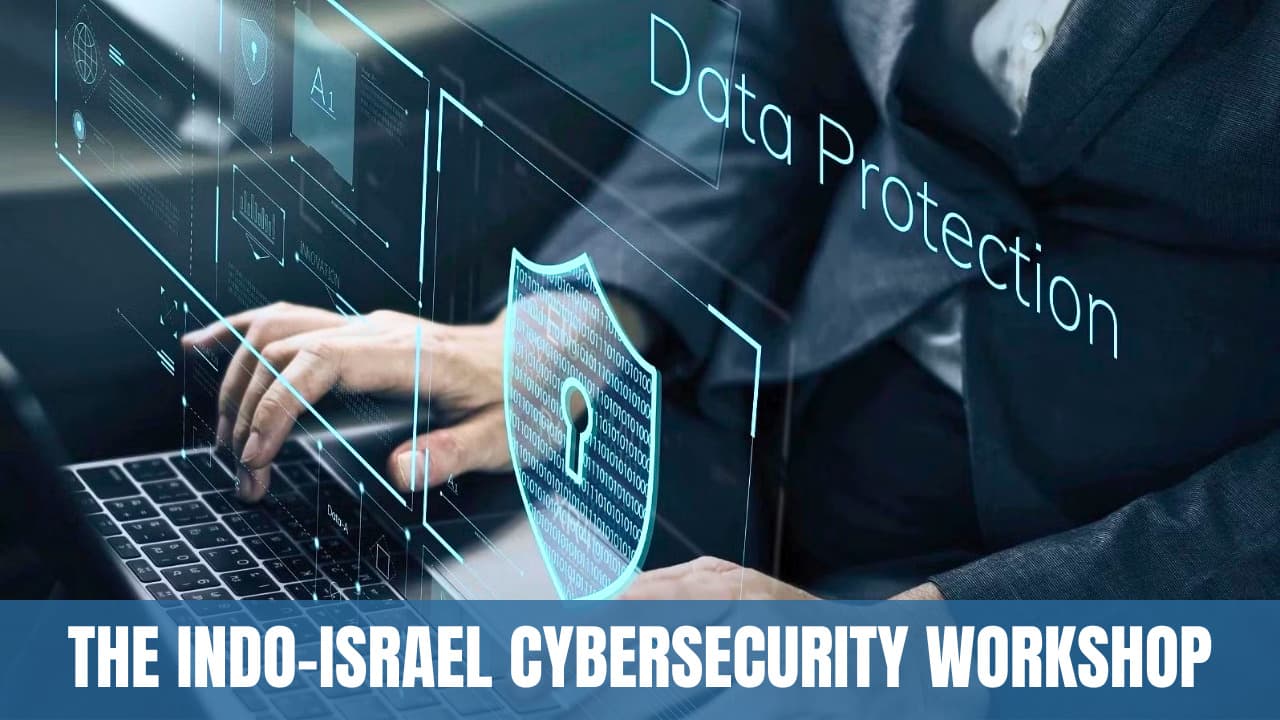
The intertwining of our lives with the digital world has amplified the importance of cybersecurity. A recent event orchestrated by The Federation of Indo-Israel Chambers of Commerce at the Indian Merchant's Chamber reinforced this significance. The workshop had the honor of hosting Ritesh Bhatia, Director of V4WEB Cybersecurity, and Kobbi Shoshani, the Consulate General of Israel to Mid-west India.
Understanding the Cyber Landscape
The world of cybersecurity is rapidly evolving. Ritesh Bhatia, armed with extensive knowledge in cybercrime investigation, articulated the pressing need to protect sensitive data in an age where information is simultaneously an asset and a vulnerability. A concerning trend Bhatia highlighted was the rise of deepfakes and deep nudes, which have become potential hazards in the digital sphere.
The Misuse of Legitimate Tools
With advancements come challenges. Bhatia unveiled the alarming misuse of commonly used remote access applications. Popular tools like Teamviewer, Quicksupport, and Anydesk are falling prey to cybercriminals who exploit them to mislead the public.
Three Vital Strategies for Online Safety
In response to the growing cyber threats, Bhatia delineated three critical strategies:
- Practice the Pause: Before reacting to online information, pause and reflect. This action can prevent the inadvertent spread of false or harmful content. Verification before sharing is paramount.
- Adopt a Zero Trust Policy: With the surge in sophisticated scams and deepfakes, it's prudent not to trust online content blindly. Question the authenticity and always cross-check the source before accepting any information.
- Verify Everything: Ensure the credibility of the information by actively seeking out reliable sources. Corroborating information from multiple sources solidifies its accuracy and reliability.
Empowerment Through Awareness
Bhatia championed a proactive approach by urging attendees to assess the security of their email addresses using tools like "Have I Been Pwned" and "Scattered Secrets." This hands-on activity emphasized the real-time implications of cyber threats.
Responding to Cybercrime
Addressing the severity of cyber threats, Bhatia stressed the importance of immediate action upon falling victim to cybercrime. He recommended reporting the incident swiftly via the dedicated helpline, 1930, and online at www.cybercrime.gov.in. Timely reporting can expedite investigations and potentially curb further incidents.
Perspectives from the Guest of Honor
Kobbi Shoshani, the Consulate General of Israel to Mid-west India, shared his insights, positing that future conflicts might transition from physical battlefields to cyberspace. Shoshani's emphasis on Indo-Israel collaboration accentuated the necessity to bolster the digital ecosystems of both nations against cyberattacks.
In conclusion, the Indo-Israel Cybersecurity Workshop elucidated the complexities of today's cyber landscape. With insights from experts like Ritesh Bhatia and Kobbi Shoshani, attendees were equipped with strategies and knowledge to navigate the digital world securely. The emphasis on international collaboration underscored the collective responsibility nations share in countering cyber threats. As the boundary between the digital and physical worlds becomes increasingly porous, the tools and insights provided at such events become invaluable in ensuring a secure future.

About the author
Vishal · Software & security engineerVishal writes Trickyworld's tutorials and interview-preparation guides on programming, databases, cyber security and AI. Vishal has been shipping production software long enough to have firm opinions about Python, PHP, Node.js, and JavaScript, and to have been wrong about each of them at least once. The work has run the whole stack: Drupal and Laravel applications, React front ends, MySQL and MongoDB underneath, Redis and Memcached for the things that had to be fast, Apache Solr for the things that had to be findable. That last part turned out to matter more than anyone expected. Tune a Solr index for a season, then watch a language model confidently retrieve the wrong document, and you recognise an old problem wearing new clothes. Most of what is hard about AI systems is not the model. It is retrieval, caching, latency budgets, and deciding what the system does when the answer comes back wrong — which is work he has been doing since well before anyone called it AI engineering. He plays a lot of games, which is less a hobby disclosure than an admission of where a good share of his engineering instinct came from. Real-time systems with a frame budget. State that has to stay coherent while a player does something no designer anticipated. The permanent question of what happens when the frame cannot finish in time. Those habits carry over more directly than they have any right to. He has written several books on programming, all built on the same conviction: most technical writing is unclear because the author never decided what to leave out. More from Vishal → · Editorial policy