Okta: Social Engineering Targets Super Admin Privileges
Okta warns of social engineering attacks targeting super administrator privileges, including spear phishing that tricks administrators into sharing login credentials. Organizations should train super administrators to recognize these attacks, implement multi-factor authentication (MFA), and regularly monitor and audit system activity.
Summary written with AI from this article, and checked against it.

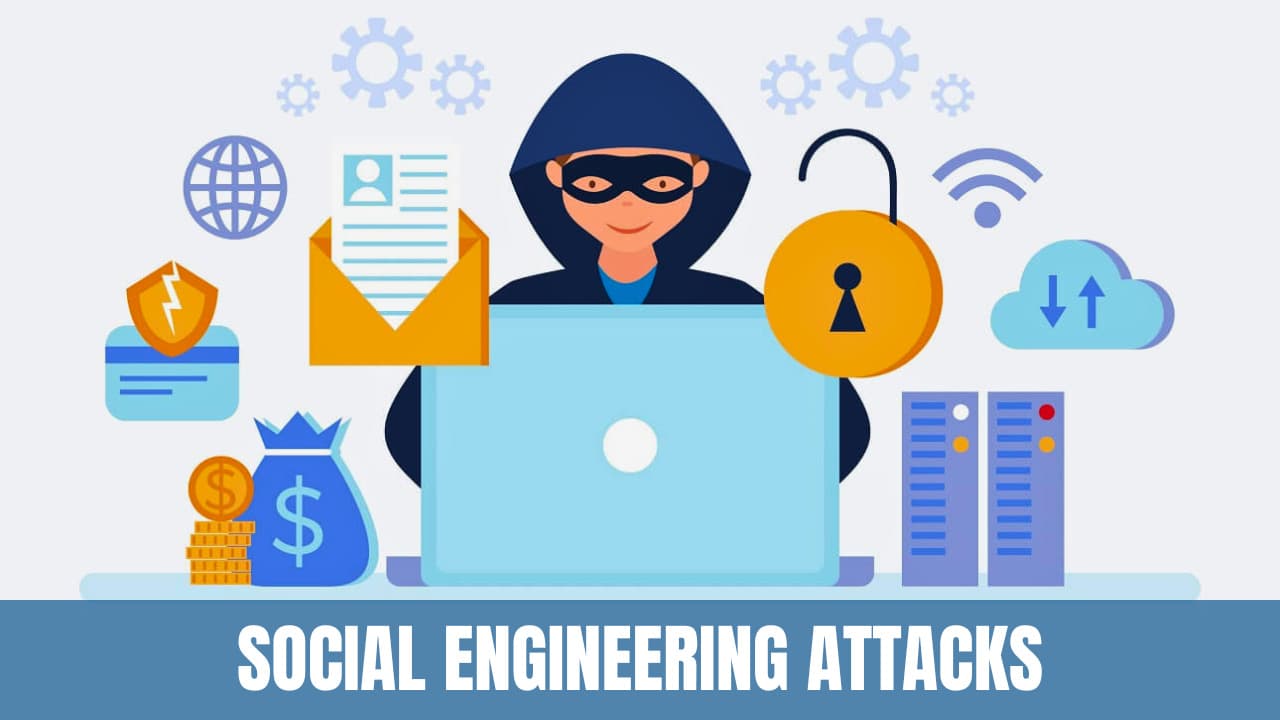
In the contemporary cyber-security climate, social engineering attacks have been evolving at a rapid pace, posing a substantial threat to organizations globally. Okta, a prominent identity and access management company, has recently warned of a new wave of social engineering attacks, specifically targeting super administrator privileges. In this detailed guide, we delve into the nature of these attacks and offer guidelines to bolster organizational cybersecurity.
Understanding the Threat Landscape
In order to grasp the gravity of the situation, it is imperative to first understand the potential risks associated with social engineering attacks. These attacks are meticulously crafted to manipulate individuals into divulging sensitive information, such as login credentials, which can then be used to gain unauthorized access to systems and data. The fact that these attacks are now being directed towards individuals with super administrator privileges exacerbates the threat manifold.
The Role of Super Administrators
Super Administrators hold the highest level of access within an organization, controlling critical components of the system and having unrestricted access to sensitive data. The fact that social engineering attacks are specifically targeting these high-level administrators indicates a calculated strategy to breach organizational defenses from the highest echelon.
The Warning from Okta
Okta, being a stalwart in the field of cybersecurity, has sounded the alarm about these nefarious activities. They have highlighted that attackers are employing advanced social engineering tactics, such as spear phishing, to target super administrators specifically. Let's delve deeper into the insights provided by Okta:
Advanced Spear Phishing Techniques
Spear phishing stands out as a sophisticated form of social engineering attack where the assailants impersonate trusted entities to deceive individuals into sharing sensitive information. The assailants craft convincing emails or messages that seem to originate from credible sources, thereby manipulating individuals into revealing critical data.
Urgency to Implement Protective Measures
Okta stresses the urgency of implementing protective measures to thwart these attacks. This includes educating super administrators about the prevailing threats and training them to identify and avoid falling prey to social engineering attacks.
Guidelines to Strengthen Security Posture
Given the current threat landscape, organizations need to act swiftly to enhance their security posture. Here we detail several strategies that can be employed:
Training and Awareness Programs
Organizations should initiate comprehensive training and awareness programs. These programs should focus on equipping individuals with the knowledge and tools to identify potential social engineering attempts and respond appropriately.
Multi-Factor Authentication (MFA)
Implementing MFA can serve as a strong barrier against unauthorized access. Even if credentials are compromised, MFA ensures an additional layer of security, making it difficult for attackers to breach the system.
Regular Monitoring and Auditing
Organizations should establish a routine of regular monitoring and auditing of system activities. This would help in identifying any unusual patterns or activities, allowing for timely intervention to prevent potential breaches.
Real-World Examples and Lessons to Learn
Case Study 1:
In a notable incident, a large corporation was targeted through a spear phishing campaign. The attackers impersonated senior executives and managed to manipulate a super administrator into sharing login credentials, leading to a massive data breach. This case underscores the importance of training and awareness in preventing such breaches.
Case Study 2:
In another instance, a financial institution thwarted a social engineering attack by implementing MFA. Even though the attackers obtained login credentials, the MFA barrier prevented unauthorized access, safeguarding critical data. This case serves as a testament to the efficacy of MFA as a security measure.
Conclusion
As Okta warns, the escalation in social engineering attacks targeting super administrators is a grave concern. It necessitates a proactive approach where organizations not only understand the risks involved but also work diligently towards implementing robust security measures to protect sensitive data and systems.
Remember, vigilance and preparedness are the first lines of defense in safeguarding against the evolving threats in the cyber-security landscape.

About the author
Vishal · Software & security engineerVishal writes Trickyworld's tutorials and interview-preparation guides on programming, databases, cyber security and AI. Vishal has been shipping production software long enough to have firm opinions about Python, PHP, Node.js, and JavaScript, and to have been wrong about each of them at least once. The work has run the whole stack: Drupal and Laravel applications, React front ends, MySQL and MongoDB underneath, Redis and Memcached for the things that had to be fast, Apache Solr for the things that had to be findable. That last part turned out to matter more than anyone expected. Tune a Solr index for a season, then watch a language model confidently retrieve the wrong document, and you recognise an old problem wearing new clothes. Most of what is hard about AI systems is not the model. It is retrieval, caching, latency budgets, and deciding what the system does when the answer comes back wrong — which is work he has been doing since well before anyone called it AI engineering. He plays a lot of games, which is less a hobby disclosure than an admission of where a good share of his engineering instinct came from. Real-time systems with a frame budget. State that has to stay coherent while a player does something no designer anticipated. The permanent question of what happens when the frame cannot finish in time. Those habits carry over more directly than they have any right to. He has written several books on programming, all built on the same conviction: most technical writing is unclear because the author never decided what to leave out. More from Vishal → · Editorial policy