Asynchronous Programming with Promises and Async/Await: A Comprehensive Guide to Modern JavaScript
Explore the world of asynchronous programming in JavaScript. This detailed guide covers the fundamentals of Promises and Async/Await, offering examples and insights on how to simplify complex workflows. Ideal for developers looking to enhance efficiency and readability.

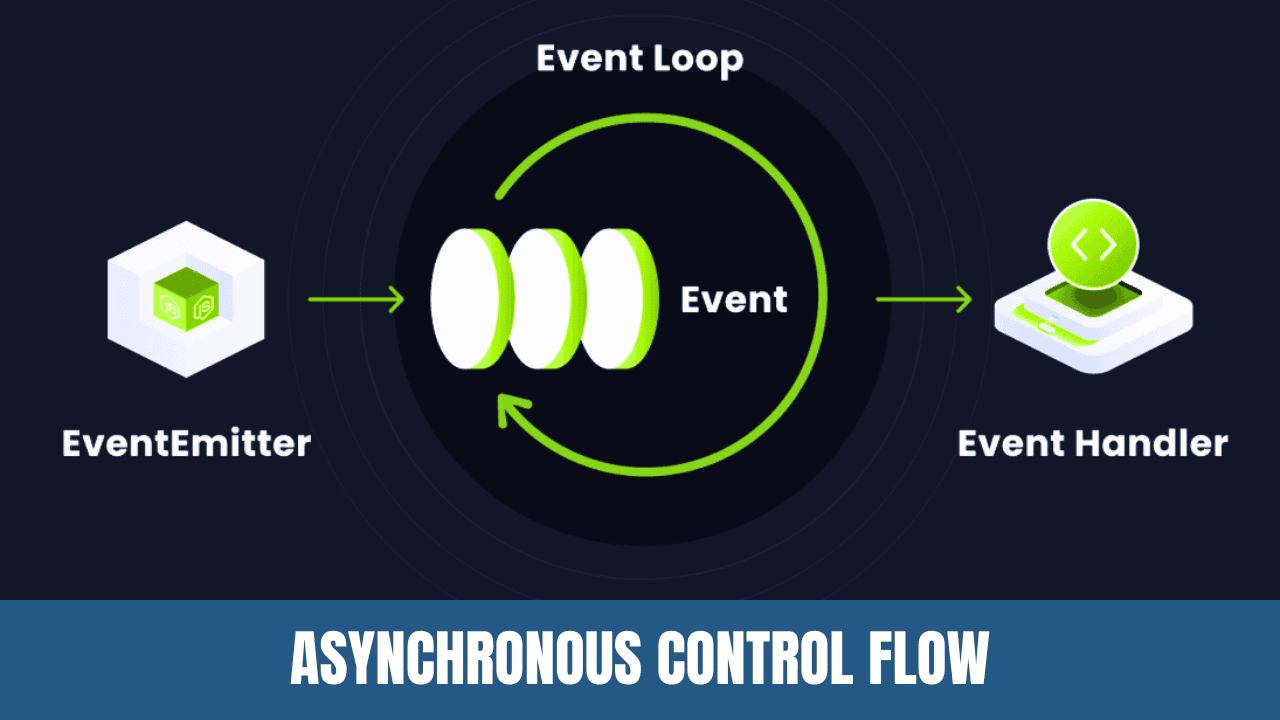
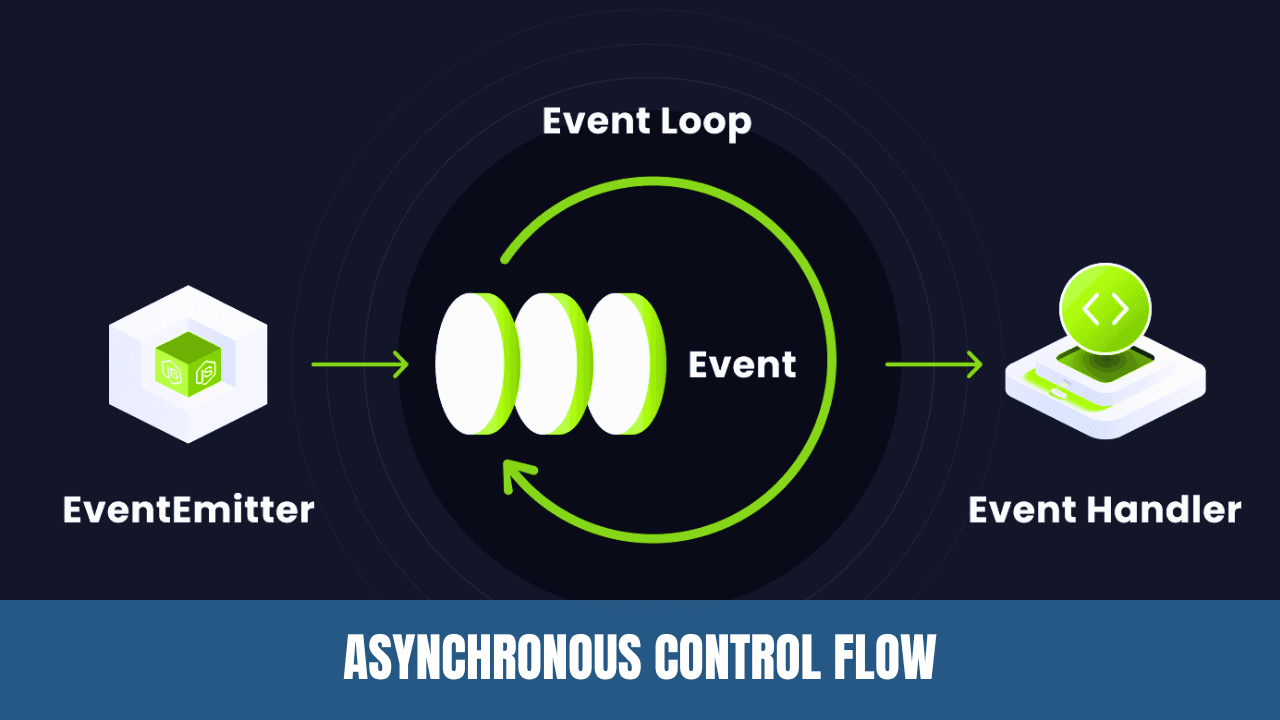
Asynchronous programming plays a vital role in modern web development, enabling developers to handle tasks that take time to complete without blocking the rest of the code. This article delves into the fundamental aspects of asynchronous programming in JavaScript, focusing on Promises and the Async/Await syntax, which simplify complex workflows.
1. Asynchronous Programming Overview
Asynchronous programming allows functions to run in the background, providing a non-blocking experience. It ensures that the main thread can continue executing other tasks while waiting for an operation to complete, such as reading a file or fetching data from an API.
2. Promises
A Promise in JavaScript represents a value that may not be available yet but will be resolved or rejected at some point in the future. Promises provide a more robust way to handle asynchronous operations compared to traditional callbacks.
Structure of a Promise
A Promise has three states:
- Pending: Initial state, neither fulfilled nor rejected.
- Fulfilled: Operation completed successfully.
- Rejected: Operation failed.
var promise = new Promise(function(resolve, reject) {
  // Code that might take time to execute
});
Handling Promises
Using .then() and .catch(), you can handle the success and failure of a Promise, respectively.
promise
  .then(function(result) {
    console.log("Success:", result);
  })
  .catch(function(error) {
    console.error("Error:", error);
  });
3. Async/Await
Async/Await is syntactic sugar on top of Promises, providing a more readable and maintainable way to handle asynchronous code.
- Async: An
asyncfunction returns a Promise implicitly. - Await: The
awaitkeyword waits for a Promise to resolve or reject.
Example:
async function fetchData() {
  try {
    var response = await fetch("https://api.example.com/data");
    var data = await response.json();
    console.log(data);
  } catch (error) {
    console.error("Error:", error);
  }
}
Below are detailed examples illustrating the use of asynchronous programming with Promises and Async/Await in JavaScript.
1. Promises
Creating a Promise:
var myPromise = new Promise(function(resolve, reject) {
  setTimeout(function() {
    resolve("Operation successful!");
  }, 1000);
});

myPromise.then(function(message) {
  console.log(message); // Output: Operation successful!
});
Handling Rejections:
var myFailedPromise = new Promise(function(resolve, reject) {
  setTimeout(function() {
    reject("Operation failed!");
  }, 1000);
});

myFailedPromise.catch(function(message) {
  console.log(message); // Output: Operation failed!
});
Chaining Promises:
function multiplyByTwo(number) {
  return new Promise(function(resolve) {
    resolve(number * 2);
  });
}

multiplyByTwo(5)
  .then(result => multiplyByTwo(result))
  .then(finalResult => console.log(finalResult)); // Output: 20
2. Async/Await
Basic Async Function:
async function fetchUserData() {
  var response = await fetch("https://api.example.com/user");
  var data = await response.json();
  console.log(data);
}
Error Handling with Try/Catch:
async function fetchUserDataWithHandling() {
  try {
    var response = await fetch("https://api.example.com/user");
    var data = await response.json();
    console.log(data);
  } catch (error) {
    console.error("An error occurred:", error);
  }
}
Using Async with Promises:
async function addAsync(x, y) {
  return x + y;
}

addAsync(3, 4).then(result => console.log(result)); // Output: 7
Conclusion
The examples provided illuminate the practical application of Promises and Async/Await in JavaScript for handling asynchronous operations. They demonstrate how to create and manage Promises, including chaining and error handling, as well as how to utilize the more readable Async/Await syntax. These techniques form the basis of modern asynchronous programming, enabling developers to write clean, efficient code that can manage complex workflows without blocking the main thread.
Asynchronous programming with Promises and Async/Await offers a powerful and elegant way to handle operations that might take time to complete. While Promises provide a robust framework for managing such tasks, the Async/Await syntax further simplifies the code, making it more readable and maintainable.
Mastering these concepts will empower developers to write efficient and responsive applications that can handle complex workflows with ease. Whether dealing with network requests, file operations, or other time-consuming tasks, the techniques discussed in this article form a foundational understanding of asynchronous programming in modern JavaScript.

Vishal writes Trickyworld's tutorials and interview-preparation guides on programming, databases, cyber security and AI. Vishal has been shipping production software long enough to have firm opinions about Python, PHP, Node.js, and JavaScript, and to have been wrong about each of them at least once. The work has run the whole stack: Drupal and Laravel applications, React front ends, MySQL and MongoDB underneath, Redis and Memcached for the things that had to be fast, Apache Solr for the things that had to be findable. That last part turned out to matter more than anyone expected. Tune a Solr index for a season, then watch a language model confidently retrieve the wrong document, and you recognise an old problem wearing new clothes. Most of what is hard about AI systems is not the model. It is retrieval, caching, latency budgets, and deciding what the system does when the answer comes back wrong — which is work he has been doing since well before anyone called it AI engineering. He plays a lot of games, which is less a hobby disclosure than an admission of where a good share of his engineering instinct came from. Real-time systems with a frame budget. State that has to stay coherent while a player does something no designer anticipated. The permanent question of what happens when the frame cannot finish in time. Those habits carry over more directly than they have any right to. He has written several books on programming, all built on the same conviction: most technical writing is unclear because the author never decided what to leave out. More from Vishal → · Editorial policy