Showcasing Your Skills in Infrastructure as Code (IaC): A Comprehensive Guide
Showcasing Infrastructure as Code (IaC) skills means building and sharing projects that manage infrastructure through code using tools such as Terraform and Ansible. It requires familiarity with YAML, JSON or HCL, cloud platforms and Git; a portfolio on GitHub and contributions to open-source IaC projects demonstrate those skills.
Summary written with AI from this article, and checked against it.

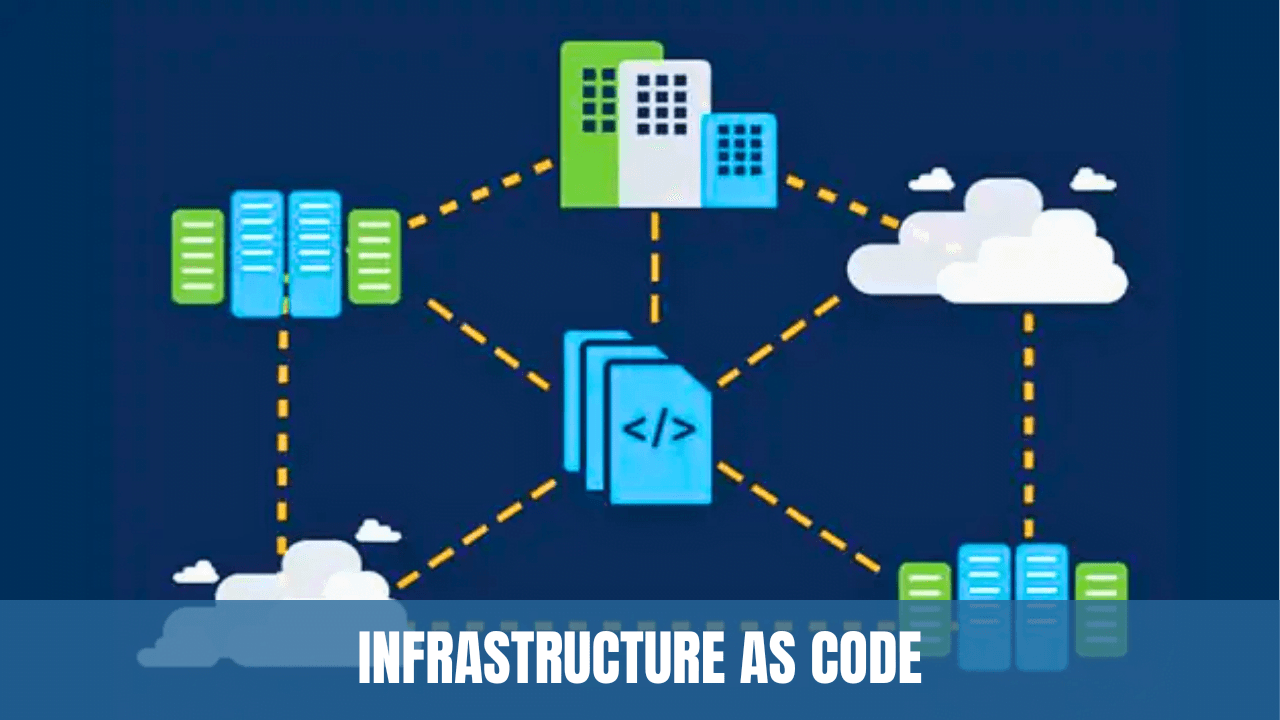
Infrastructure as Code (IaC) is a modern approach to managing and provisioning computer data centers through machine-readable files rather than physical hardware configuration or manual interactive configuration tools. It has become a critical component in DevOps, cloud computing, and modern IT practices. This article will guide you on how to understand and showcase your skills in managing infrastructure using code.
Section 1: Understanding Infrastructure as Code (IaC)
1.1 Definition and Importance
- What is IaC? IaC is the process of managing infrastructure (servers, databases, networks, etc.) through code files instead of manual processes.
- Why is IaC Important? It ensures consistent and easily replicable environments, simplifying the deployment and scaling of infrastructure.
1.2 Common Tools and Technologies
- Terraform: An open-source tool for building, changing, and versioning infrastructure.
- AWS CloudFormation: A service that helps you model and set up your Amazon Web Services resources.
- Ansible: A powerful automation tool for configuration management.
Section 2: Skills Required for Managing IaC
2.1 Programming and Scripting Knowledge
- Languages: Familiarity with languages like YAML, JSON, or domain-specific languages like HCL (HashiCorp Configuration Language).
- Scripting: Ability to write scripts to automate routine tasks.
2.2 Understanding of Cloud and Virtualization
- Cloud Platforms: Knowledge of AWS, Azure, Google Cloud, etc.
- Virtualization: Understanding of virtual machines and containers like Docker.
2.3 Collaboration and Version Control
- Git: Proficiency in using Git for version control of code.
- Collaboration: Working in teams and sharing code and resources.
Section 3: How to Showcase Your IaC Skills
3.1 Build a Portfolio
- Personal Projects: Create and share projects on GitHub that demonstrate your skills in implementing IaC.
- Contributions: Contribute to open-source IaC projects.
3.2 Certifications and Training
- Certifications: Consider obtaining certifications like the Terraform Associate or AWS Certified DevOps Engineer.
- Training: Participate in online courses, workshops, and tutorials.
3.3 Networking and Community Engagement
- Participate in Meetups: Attend conferences, seminars, and local meetups.
- Engage Online: Participate in online forums, write blog posts, and share your knowledge through social media.
Conclusion
Infrastructure as Code (IaC) is a pivotal practice in the modern IT landscape. Whether you are a seasoned professional or just starting, understanding and showcasing your skills in managing infrastructure using code is essential. By delving into the IaC tools and practices, building a portfolio, engaging in continuous learning, and connecting with the community, you can position yourself as a skilled practitioner in this vital domain.
Interview flashcards
What is Infrastructure as Code (IaC)?
IaC manages and provisions infrastructure, such as servers, databases, and networks, through machine-readable code files instead of manual processes.
Why is IaC important for infrastructure deployment and scaling?
IaC ensures consistent and easily replicable environments, simplifying infrastructure deployment and scaling.
What are Terraform, AWS CloudFormation, and Ansible used for?
Terraform builds, changes, and versions infrastructure. AWS CloudFormation models and sets up Amazon Web Services resources. Ansible automates configuration management.
What programming and scripting skills are needed to manage IaC?
Managing IaC requires familiarity with YAML, JSON, or domain-specific languages like HCL (HashiCorp Configuration Language), along with the ability to write scripts that automate routine tasks.
What cloud and virtualization knowledge is useful for managing IaC?
Useful knowledge includes cloud platforms such as AWS, Azure, and Google Cloud, as well as an understanding of virtual machines and containers like Docker.
How is Git used when working with IaC?
Git provides version control for infrastructure code. Proficiency in Git supports working in teams and sharing code and resources.
How would you demonstrate your practical IaC skills to a potential employer?
I would create and share personal projects on GitHub that demonstrate IaC implementation and contribute to open-source IaC projects.
Which certifications can help demonstrate IaC skills?
The Terraform Associate and AWS Certified DevOps Engineer certifications can help demonstrate IaC skills. Online courses, workshops, and tutorials also support continued learning.
Written with AI from this article, and checked against it.

About the author
Vishal · Software & security engineerVishal writes Trickyworld's tutorials and interview-preparation guides on programming, databases, cyber security and AI. Vishal has been shipping production software long enough to have firm opinions about Python, PHP, Node.js, and JavaScript, and to have been wrong about each of them at least once. The work has run the whole stack: Drupal and Laravel applications, React front ends, MySQL and MongoDB underneath, Redis and Memcached for the things that had to be fast, Apache Solr for the things that had to be findable. That last part turned out to matter more than anyone expected. Tune a Solr index for a season, then watch a language model confidently retrieve the wrong document, and you recognise an old problem wearing new clothes. Most of what is hard about AI systems is not the model. It is retrieval, caching, latency budgets, and deciding what the system does when the answer comes back wrong — which is work he has been doing since well before anyone called it AI engineering. He plays a lot of games, which is less a hobby disclosure than an admission of where a good share of his engineering instinct came from. Real-time systems with a frame budget. State that has to stay coherent while a player does something no designer anticipated. The permanent question of what happens when the frame cannot finish in time. Those habits carry over more directly than they have any right to. He has written several books on programming, all built on the same conviction: most technical writing is unclear because the author never decided what to leave out. More from Vishal → · Editorial policy