
Cyber Threat Landscape Awareness: Exploring Knowledge of Current Threats and Security Challenges
Stay ahead in the cybersecurity field by understanding and showcasing your knowledge of the current cyber threat landscape. Learn about malware, ransomware, phishing, APTs, and how to apply this knowledge in your workplace.

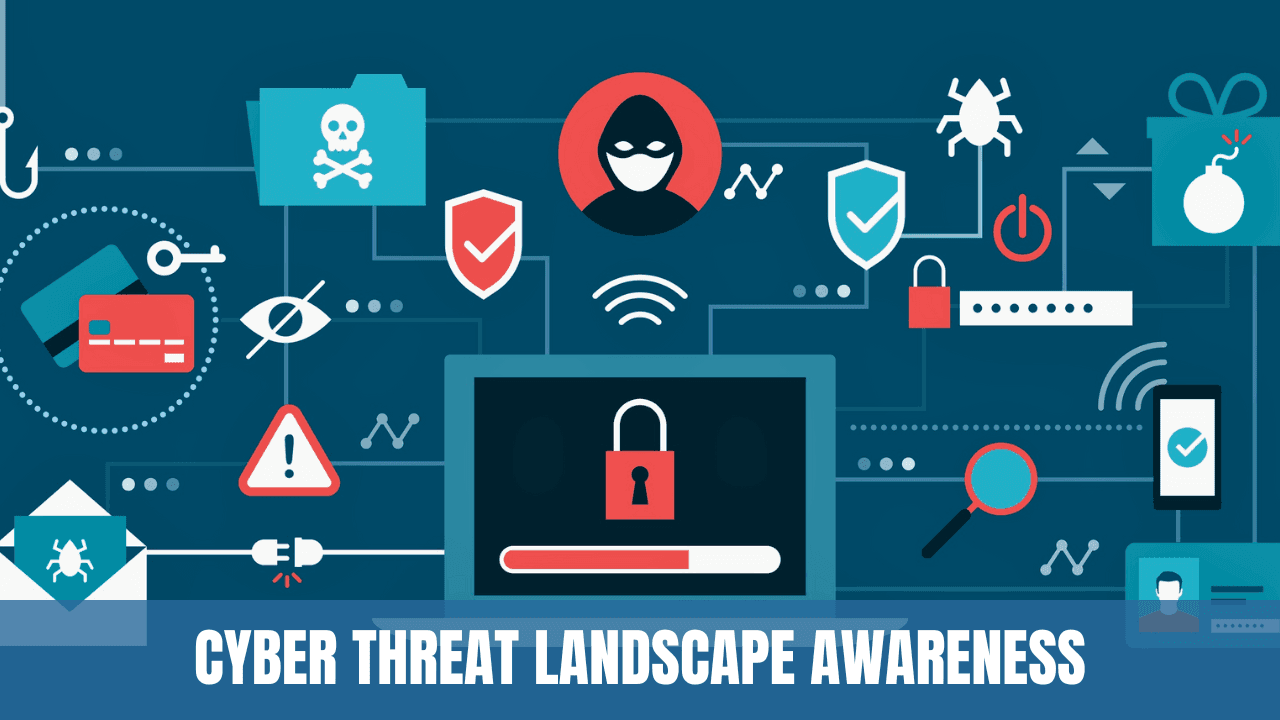
In the ever-evolving field of cybersecurity, staying abreast of the current threat landscape is not only beneficial but essential. With new cyber threats emerging constantly, professionals must be well-informed and prepared to address these challenges. This article outlines how to showcase your knowledge of current cyber threats and the associated security challenges.
1. Understanding the Cyber Threat Landscape
The cyber threat landscape refers to the current environment of cyber threats and vulnerabilities. Understanding this landscape requires continuous learning and awareness of the following areas:
Malware and Ransomware
These malicious software programs can disrupt or gain unauthorized access to systems. Staying informed about the latest variants and attack vectors is crucial.
Phishing Attacks
Phishing continues to be a widespread method of stealing sensitive information through deceptive emails or websites.
Advanced Persistent Threats (APTs)
APTs are targeted and prolonged cyberattacks in which an intruder gains access to a network and remains undetected for an extended period.
2. Showcasing Your Knowledge
Participate in Industry Conferences
Attending cybersecurity conferences and workshops helps you stay up-to-date and provides opportunities to network with other professionals.
Engage in Continuous Learning
Pursue certifications, attend webinars, and read industry publications to continuously expand your knowledge base.
Collaborate with Colleagues
Sharing insights and best practices with peers fosters a culture of continuous learning and awareness within your organization.
3. Applying Knowledge in the Workplace
Conduct Regular Security Assessments
Performing regular security assessments identifies vulnerabilities in your organization's systems, allowing for proactive remediation.
Implement Awareness Training
Educate employees about current threats and safe online practices through regular training sessions.
Stay Informed About Legal and Regulatory Changes
Understanding the legal landscape related to cybersecurity ensures that your organization remains compliant with evolving regulations.
Conclusion
The cyber threat landscape is dynamic and requires ongoing vigilance. By actively engaging with the industry, continuously learning, and applying knowledge within your organization, you can effectively showcase your awareness of current cyber threats and security challenges. This proactive approach not only enhances personal professional development but also contributes to the overall security posture of the organization you serve.

Vishal writes Trickyworld's tutorials and interview-preparation guides on programming, databases, cyber security and AI. Vishal has been shipping production software long enough to have firm opinions about Python, PHP, Node.js, and JavaScript, and to have been wrong about each of them at least once. The work has run the whole stack: Drupal and Laravel applications, React front ends, MySQL and MongoDB underneath, Redis and Memcached for the things that had to be fast, Apache Solr for the things that had to be findable. That last part turned out to matter more than anyone expected. Tune a Solr index for a season, then watch a language model confidently retrieve the wrong document, and you recognise an old problem wearing new clothes. Most of what is hard about AI systems is not the model. It is retrieval, caching, latency budgets, and deciding what the system does when the answer comes back wrong — which is work he has been doing since well before anyone called it AI engineering. He plays a lot of games, which is less a hobby disclosure than an admission of where a good share of his engineering instinct came from. Real-time systems with a frame budget. State that has to stay coherent while a player does something no designer anticipated. The permanent question of what happens when the frame cannot finish in time. Those habits carry over more directly than they have any right to. He has written several books on programming, all built on the same conviction: most technical writing is unclear because the author never decided what to leave out. More from Vishal → · Editorial policy