AI in Industry Applications: Interview Topics on Healthcare, Finance, Automotive, and More
AI interview topics span healthcare diagnosis and personalized treatment, financial risk assessment and trading, autonomous vehicles, retail, and energy. Preparation includes explaining how these applications work and discussing examples such as diagnosis tools, customer segmentation, and energy demand forecasting.
Summary written with AI from this article, and checked against it.

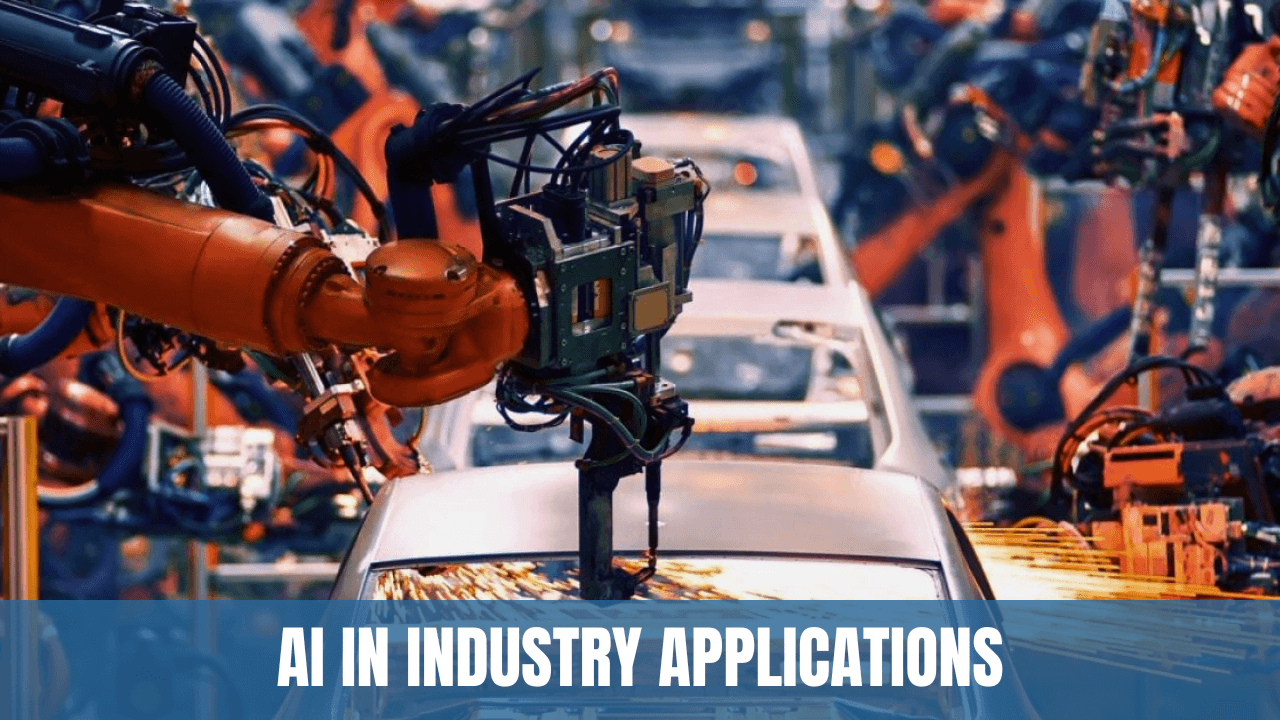
Artificial Intelligence (AI) is revolutionizing multiple sectors, including healthcare, finance, automotive, and more. As AI continues to be integrated into these industries, understanding its applications becomes crucial, especially for professionals and candidates preparing for interviews. This article provides an overview of AI's impact and typical interview topics related to its applications in various sectors.
1. AI in Healthcare
Healthcare is one of the most rapidly advancing fields with AI implementation.
1.1 Disease Diagnosis and Prediction
- AI algorithms are used to detect and predict diseases by analyzing medical images and patient data.
- Interview Topic: Discuss an AI-driven diagnosis tool you are familiar with.
1.2 Personalized Treatment
- AI can tailor treatments based on individual patient data.
- Interview Topic: Explain how AI can personalize cancer treatment.
2. AI in Finance
Financial institutions utilize AI for various functions.
2.1 Risk Assessment
- AI algorithms predict and manage financial risks.
- Interview Topic: Describe how AI is used in credit risk assessment.
2.2 Algorithmic Trading
- AI powers automated trading systems.
- Interview Topic: How has AI changed the landscape of algorithmic trading?
3. AI in Automotive Industry
The automotive sector is employing AI in innovative ways.
3.1 Autonomous Vehicles
- Self-driving cars rely on AI for navigation and decision-making.
- Interview Topic: Discuss the technologies behind autonomous vehicles.
3.2 Predictive Maintenance
- AI is used to predict equipment failure and reduce downtime.
- Interview Topic: How does AI contribute to predictive maintenance in automotive manufacturing?
4. AI in Retail
AI is transforming the shopping experience.
4.1 Customer Segmentation
- AI algorithms segment customers to provide personalized marketing.
- Interview Topic: Describe a scenario where AI-driven customer segmentation improved sales.
4.2 Inventory Management
- AI optimizes inventory levels and supply chain efficiency.
- Interview Topic: Explain how AI is revolutionizing inventory management in retail.
5. AI in Energy Sector
Energy companies are leveraging AI for optimization and sustainability.
5.1 Demand Forecasting
- AI forecasts energy demand to optimize production.
- Interview Topic: Discuss an example of AI in energy demand forecasting.
5.2 Renewable Energy Integration
- AI helps in the integration of renewable sources into the energy grid.
- Interview Topic: How does AI support the incorporation of renewable energy?
6. Conclusion
AI's role in various industries is vast and continues to grow. Its applications range from personalized healthcare treatments to financial risk assessment and beyond. For those preparing for interviews, understanding these real-world applications of AI can set you apart from other candidates. The topics and questions highlighted in this guide can serve as a foundation for your preparation, reflecting the current trends and innovations in AI across diverse sectors.
Interview flashcards
How is AI used to detect and predict diseases?
AI algorithms detect and predict diseases by analyzing medical images and patient data.
How can AI personalize healthcare treatments?
AI can tailor treatments based on individual patient data.
How is AI used in financial risk assessment?
AI algorithms predict and manage financial risks.
What role does AI play in algorithmic trading?
AI powers automated trading systems in finance.
What role does AI play in autonomous vehicles?
Self-driving cars rely on AI for navigation and decision-making.
How does AI contribute to predictive maintenance in automotive manufacturing?
AI predicts equipment failure and reduces downtime in automotive manufacturing.
How is AI used in customer segmentation in retail?
AI algorithms segment customers to provide personalized marketing.
How does AI support energy demand forecasting?
AI forecasts energy demand to optimize production.
Written with AI from this article, and checked against it.

About the author
Vishal · Software & security engineerVishal writes Trickyworld's tutorials and interview-preparation guides on programming, databases, cyber security and AI. Vishal has been shipping production software long enough to have firm opinions about Python, PHP, Node.js, and JavaScript, and to have been wrong about each of them at least once. The work has run the whole stack: Drupal and Laravel applications, React front ends, MySQL and MongoDB underneath, Redis and Memcached for the things that had to be fast, Apache Solr for the things that had to be findable. That last part turned out to matter more than anyone expected. Tune a Solr index for a season, then watch a language model confidently retrieve the wrong document, and you recognise an old problem wearing new clothes. Most of what is hard about AI systems is not the model. It is retrieval, caching, latency budgets, and deciding what the system does when the answer comes back wrong — which is work he has been doing since well before anyone called it AI engineering. He plays a lot of games, which is less a hobby disclosure than an admission of where a good share of his engineering instinct came from. Real-time systems with a frame budget. State that has to stay coherent while a player does something no designer anticipated. The permanent question of what happens when the frame cannot finish in time. Those habits carry over more directly than they have any right to. He has written several books on programming, all built on the same conviction: most technical writing is unclear because the author never decided what to leave out. More from Vishal → · Editorial policy