Revolutionary Flipper Zero: A Comprehensive Guide
Discover the revolutionary Flipper Zero: its features, reasons behind its scarcity, and how to secure one amidst high demand.

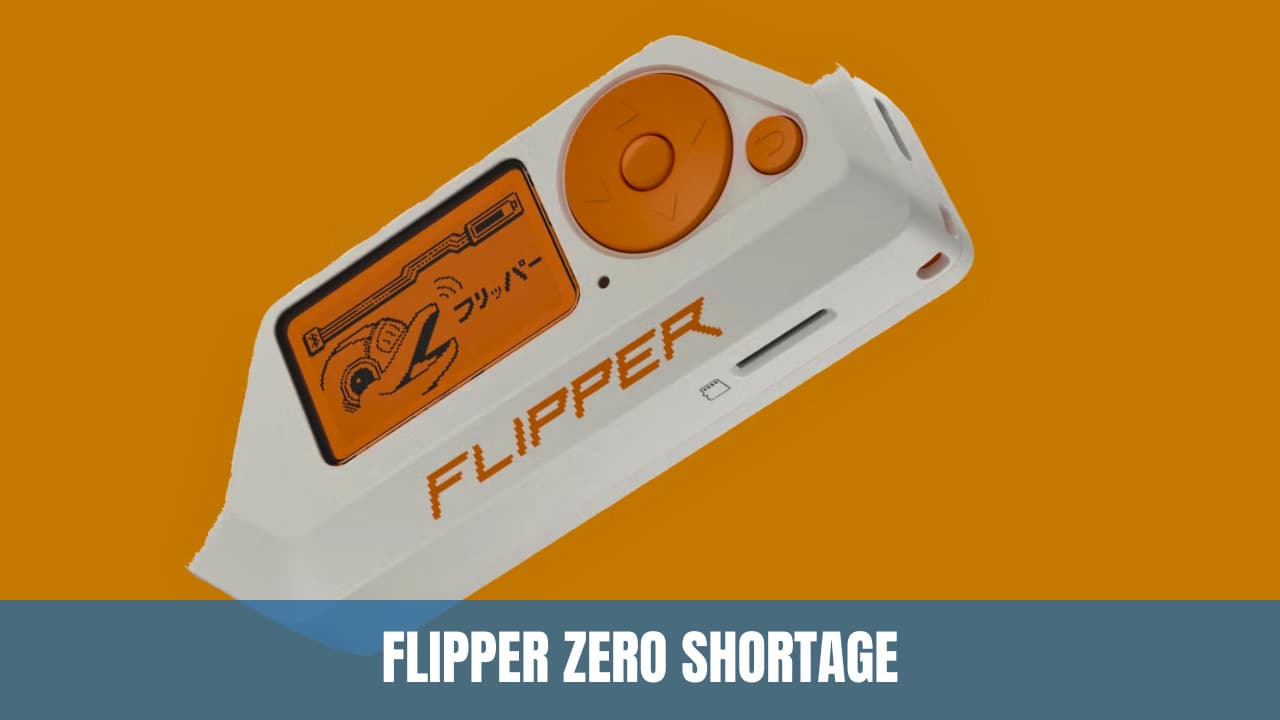
In recent times, the tech community has witnessed the unprecedented demand for the Flipper Zero, a device celebrated for its seamless integration with access control systems. This surge in popularity led to an unforeseen shortage, leaving numerous enthusiasts eagerly awaiting its return to the market. Fortunately, this period of scarcity has come to an end, with the device now being readily available. Let's delve deeper into the world of Flipper Zero and what makes it an essential tool for technology aficionados.
What Is the Flipper Zero?
In the dynamic sphere of technology, the Flipper Zero has carved out a niche as a groundbreaking gadget, fostering interaction with various digital interfaces that we encounter in the physical world. The device, praised for its multifunctionality, is capable of emulating RFID and NFC cards, decoding diverse radio protocols, replicating remote controls, and executing several other functions, providing users with a comprehensive tool to explore the digital realm that envelops our daily lives.
Despite its controversial use in illegal activities such as unauthorized door unlocking, it serves as an excellent platform for understanding the operation of radio signals in access control systems. For individuals intrigued by the security aspects of this technology, our exhaustive guide on the hackability of smart locks serves as a valuable resource.
In the domain of cybersecurity, it has become an invaluable tool for enthusiasts and curious minds, allowing them to delve into the complex digital landscape that is omnipresent in today's world.
Why Flipper Devices Have Been Scarce
In its initial phase, the Flipper Zero faced skepticism, with many dismissing it as a mere over-hyped gadget. However, it wasn't long before the device garnered acclaim across the internet, with individuals extolling its capabilities. The downside of this meteoric rise was the frequent stock-outs, as the manufacturer struggled to keep up with the soaring demand.
Flipper Devices revealed that the delivery of Flipper Zero units witnessed a staggering four-fold increase between January and June 2023, illustrating the immense popularity it garnered in a short span. This deficiency in supply catalyzed a distressing trend of third-party sellers exploiting the situation by charging excessively high prices for the gadget, with some units being sold at up to five times the original retail value.
How to Get a Flipper Zero Now
Addressing the supply-demand discrepancy, Flipper Devices has ramped up production to ensure that the Flipper Zero is now accessible to the broader public. Prospective buyers can anticipate swift deliveries, typically ranging between two to seven days, across several major regions including the USA, Canada, Australia, the European Union, and the United Kingdom.
To procure a Flipper Zero, individuals based in these regions can visit the official Flipper Shop. Here, they will be guided to the official distributors in their respective countries, facilitating a seamless purchase process. Moreover, a handy shop finder tool provides insight into the complete list of countries they cater to, simplifying the task for global consumers. Anticipate setting aside approximately $169 for this investment into the world of digital exploration.
Through this comprehensive guide, we trust you have gained a deeper insight into the Flipper Zero's journey, its applications, and how to acquire one in the current market scenario.

Vishal writes Trickyworld's tutorials and interview-preparation guides on programming, databases, cyber security and AI. Vishal has been shipping production software long enough to have firm opinions about Python, PHP, Node.js, and JavaScript, and to have been wrong about each of them at least once. The work has run the whole stack: Drupal and Laravel applications, React front ends, MySQL and MongoDB underneath, Redis and Memcached for the things that had to be fast, Apache Solr for the things that had to be findable. That last part turned out to matter more than anyone expected. Tune a Solr index for a season, then watch a language model confidently retrieve the wrong document, and you recognise an old problem wearing new clothes. Most of what is hard about AI systems is not the model. It is retrieval, caching, latency budgets, and deciding what the system does when the answer comes back wrong — which is work he has been doing since well before anyone called it AI engineering. He plays a lot of games, which is less a hobby disclosure than an admission of where a good share of his engineering instinct came from. Real-time systems with a frame budget. State that has to stay coherent while a player does something no designer anticipated. The permanent question of what happens when the frame cannot finish in time. Those habits carry over more directly than they have any right to. He has written several books on programming, all built on the same conviction: most technical writing is unclear because the author never decided what to leave out. More from Vishal → · Editorial policy