OpenCode Console Breach Exposes AI Provider Keys
OpenCode's breach may have exposed AI provider keys. Users must revoke and replace keys to prevent unauthorized use.
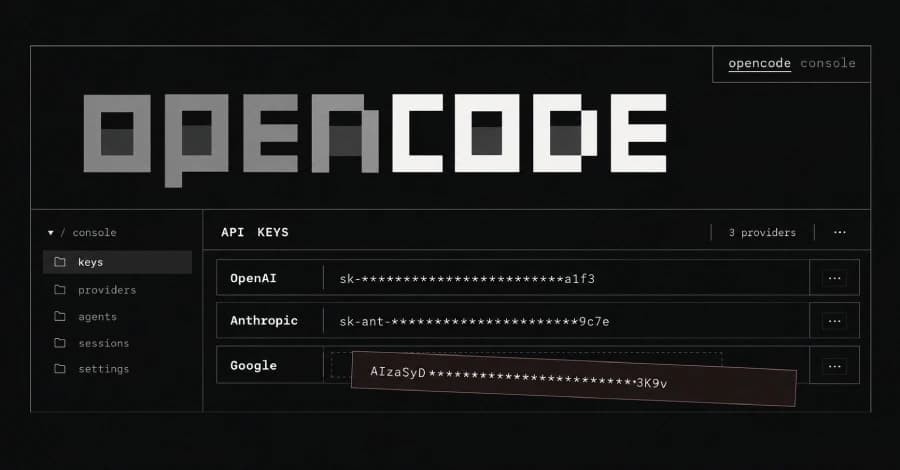
OpenCode recently faced a security issue with their Console service, which could have exposed AI provider keys from third parties that users stored. This happened on October 16, and OpenCode has reached out to affected users, urging them to act quickly to secure their setups. Here's what I think you need to do and how you can shield your infrastructure.
Is it affecting me?
This breach hit an older system in OpenCode's hosted Console, impacting users with linked AI provider keys from services like OpenAI, Anthropic, or Google. OpenCode noted this applies to just 1.4% of Console users. Those affected got an email on October 17 titled “Action Required: Potential provider key breach.” If you didn't get this email, you're in the clear.
Securing Your Keys Right Now
If you're affected, act fast: revoke and replace your provider keys to block unauthorized use. Here's what I'd suggest doing:
- Revoke and Generate New Keys: Go to your AI provider’s dashboard—whether it's OpenAI, Anthropic, or Google—and cancel the compromised key. Create a new one using their guidelines to stay secure and maintain access.
- Update Everything: Change the old key in all applications and scripts to the new one. This prevents interruptions and keeps things running smoothly.
- Keep an Eye on Charges: Look over your provider’s usage logs and billing from October 16 onward for any strange activity. Some users have faced unexpected costs between $281 and $1,700, so vigilance is key.
- Set Financial Safeguards: Add spending alerts or caps with your provider. Using unique keys for different apps can help prevent misuse and improve tracking.
Grasping the Risks
AI provider keys act like bearer credentials, granting access to the account they belong to. If a malicious person gets hold of them, they can rack up charges against the owner’s account. The exposure of keys can cause unauthorized model usage and lead to steep financial losses, as highlighted by unexpected billing cases.
My concern is making sure folks grasp the financial risks with exposed keys and why these preventive actions are so necessary. Being proactive can stop major financial hits and disruptions.
Why Does This Matter?
The breach at OpenCode underscores vulnerabilities in how AI and API services are managed. Provider keys are particularly risky because they offer unrestricted third-party service access. This attack, labeled an "ongoing distillation attack," signals broader risks in AI and cloud services. Distillation involves mass data extraction to train rival models, a tactic that's becoming more common in cyber-attacks.
To me, this should be a wake-up call for developers to review their security measures. Better access controls and monitoring could make all the difference in defending against similar attacks.
OpenCode's Response
OpenCode has been vague on details about the breach, like the total number of compromised keys. They're working with AI providers—Anthropic, OpenAI, Google—to tackle the issue and fortify their systems. As of October 18, hacking attempts continued, highlighting the need for ongoing caution and improved security measures. Co-founder Dax Raad mentioned that these attacks have prompted stronger system defenses.
Lingering Questions
Not all details are clear yet. OpenCode's comment that keys "may have been exposed" suggests not all were actively compromised. The company hasn't clarified the exploited legacy system or specific attack methods, and they haven’t quantified the 1.4% user base.
I guess affected users will need to stay on top of any updates or instructions from OpenCode.
Bigger Implications
This incident is part of a rising wave of cyber-attacks focusing on API and AI service tokens. As AI models become more integral, compromised keys become more valuable on the black market. Similar hacks show attackers using keys not just for financial gain, but also in AI model distillation. Criminals might even use stolen keys to build fake account networks or resell credentials underground.
The experiences of Colin Parsons and Preston Zeller illustrate the financial risks. Their situations should push others to rethink how they manage API keys.
For further insights into security challenges, you might look at our articles on data breach management and network vulnerability mitigation.
Securing AI Connections
With threats on the rise, securing AI integrations should be a priority. Consider strong API key management: rotate keys regularly, limit their scope, and use environment-specific keys. Access controls at the tool level can soften the impact if a key gets compromised. Regular audits and training are crucial for a solid security strategy.
If I were in charge of an affected system, my first step would be to audit current security protocols and make sure everyone on the team understands key management best practices. Monitoring solutions that flag unusual API usage could also be key.
Frequently asked questions
How do I know if my OpenCode keys are affected?
You are affected if you received an email from OpenCode titled "Action Required: Potential provider key breach." If not, your account is not impacted.
What immediate actions should I take if affected?
Revoke and replace your API keys with your providers, update your apps, review billing for unauthorized charges, and set spending alerts.
What is the risk with exposed AI provider keys?
Exposed keys allow attackers to generate unauthorized costs on your accounts by making billable requests.
Is OpenCode resolving the issue?
Yes, OpenCode is working with AI providers to fix the breach and enhance system security.
Source: thehackernews.com