Guide to Free Cybersecurity Resources for Beginners
Free cybersecurity resources for beginners include CyberSeek for job data, FedVTE for courses, Hacksplaining for vulnerability explanations, PBS Cybersecurity Lab for practice, and the NICE Framework for career roles. They support foundational skills and career planning; FedVTE courses require no login credentials.
Summary written with AI from this article, and checked against it.

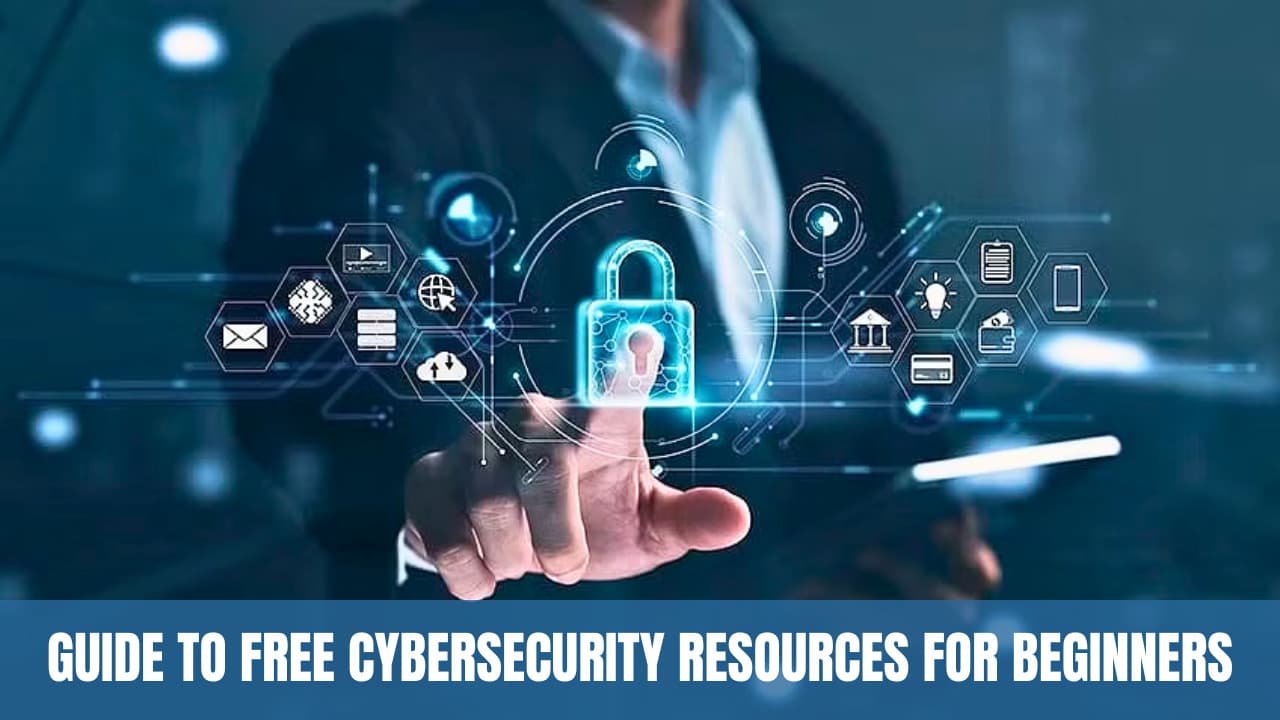
In today's interconnected world, the domain of cybersecurity has burgeoned, becoming more critical to the safety and functioning of our global infrastructure. Delving into the vast landscape of cybersecurity doesn't exclusively cater to the technically adept. In fact, it opens doors for individuals with varied skill sets and experiences. Aside from being technically intensive, roles in this sector demand a keen eye for detail, exemplary communication abilities, and adept problem-solving skills. Not unlike healthcare, cybersecurity presents a rich spectrum of specializations and expertise, spanning across various industry sectors. For those considering a foray into this promising field, here is a curated list of six free resources that can facilitate your journey into the dynamic world of cybersecurity.
CyberSeek
In the current digital landscape, the demand for skilled professionals in the cybersecurity domain has significantly escalated. CyberSeek aims to bridge the skill gap in the cybersecurity job market by offering detailed and actionable data. This platform serves as a comprehensive resource where you can glean insights into the demand for cybersecurity jobs in your locality, thereby enabling you to strategically position yourself in this burgeoning market. Furthermore, it guides you in identifying prospective roles that could mark the inception of your rewarding career in cybersecurity.
Federal Virtual Training Environment (FedVTE)
Offering a plethora of courses that are accessible free of charge, and without the necessity for login credentials, the Federal Virtual Training Environment stands as a potent resource for beginners in cybersecurity. The platform encompasses a diverse range of topics including, but not limited to, cloud security, ransomware protection, cyber risk management, and cyber intelligence. Through these courses, you can cultivate a foundational understanding of key concepts, which is vital in building a robust career in the sector.
Hacksplaining
For those who are new to the intricacies of the cybersecurity domain, Hacksplaining offers simple, yet comprehensive explanations on a myriad of vulnerabilities that are commonly encountered. Acquainting yourself with topics such as clickjacking, proficient password management, the intricacies of malvertising, and the nuances of email spoofing not only lays a strong foundation but equips you with the knowledge to identify and mitigate potential cyber threats effectively.
PBS Cybersecurity Lab
The PBS Cybersecurity Lab offers an interactive and engaging way to immerse yourself in the world of cybersecurity. In this virtual environment, you are tasked with protecting a company from a series of sophisticated cyber attacks. By taking up various challenges that involve strengthening cyber defenses, cracking passwords, crafting secure codes, and thwarting attackers, you develop a hands-on understanding and proficiency that can be invaluable in real-world scenarios.
The Workforce Framework for Cybersecurity (NICE Framework)
As you venture into the cybersecurity field, understanding the varied roles and the specific competencies required for each becomes crucial. The NICE Framework serves as a comprehensive guide, outlining the various components that constitute the cybersecurity workforce. This framework is segmented into:
- Categories: This section encapsulates seven high-level groups that classify common functions prevalent in the cybersecurity domain. These categories assist in identifying the broader areas where your skills and interests might align.
- Specialty Areas: Within the categories, there are 33 distinct areas of work that further delve into the specifics of cybersecurity roles. These specializations offer a closer look at the various avenues where you can potentially carve out your niche.
- Work Roles: Representing the most granular segmentation, this section presents 52 work roles that are defined by particular knowledge, skills, and abilities (KSAs). Each role outlines the prerequisites needed to execute tasks effectively, thereby providing a detailed roadmap to aspiring professionals in the field.
Conclusion
Embarking on a career in cybersecurity doesn't have to be a daunting endeavor reserved for the tech-savvy elite. The field, characterized by its vast and diverse landscape, welcomes individuals with varied skills and experiences. Utilizing the free resources listed here, you can gradually build your proficiency, understanding the nuances of different roles and specializations available in the sector. Remember, a career in cybersecurity is not just a job; it's a vital responsibility towards safeguarding the digital infrastructure of our world. Start your journey today and become a pivotal part of this dynamic and ever-evolving field.

About the author
Vishal · Software & security engineerVishal writes Trickyworld's tutorials and interview-preparation guides on programming, databases, cyber security and AI. Vishal has been shipping production software long enough to have firm opinions about Python, PHP, Node.js, and JavaScript, and to have been wrong about each of them at least once. The work has run the whole stack: Drupal and Laravel applications, React front ends, MySQL and MongoDB underneath, Redis and Memcached for the things that had to be fast, Apache Solr for the things that had to be findable. That last part turned out to matter more than anyone expected. Tune a Solr index for a season, then watch a language model confidently retrieve the wrong document, and you recognise an old problem wearing new clothes. Most of what is hard about AI systems is not the model. It is retrieval, caching, latency budgets, and deciding what the system does when the answer comes back wrong — which is work he has been doing since well before anyone called it AI engineering. He plays a lot of games, which is less a hobby disclosure than an admission of where a good share of his engineering instinct came from. Real-time systems with a frame budget. State that has to stay coherent while a player does something no designer anticipated. The permanent question of what happens when the frame cannot finish in time. Those habits carry over more directly than they have any right to. He has written several books on programming, all built on the same conviction: most technical writing is unclear because the author never decided what to leave out. More from Vishal → · Editorial policy