Node.js Fundamentals: Event-Driven Architecture, Asynchronous Programming, and Core Modules Guide
Explore the essential concepts of Node.js, including its event-driven architecture, asynchronous programming techniques, and core modules. This comprehensive guide provides a solid foundation for developers looking to build scalable and efficient web applications.

Node.js is an open-source, cross-platform JavaScript runtime that is used to build scalable network applications. It enables the use of JavaScript for server-side scripting and runs scripts server-side to produce dynamic web page content. This article will provide an in-depth overview of the core concepts of Node.js, including its event-driven architecture and asynchronous programming.
1. Event-Driven Architecture
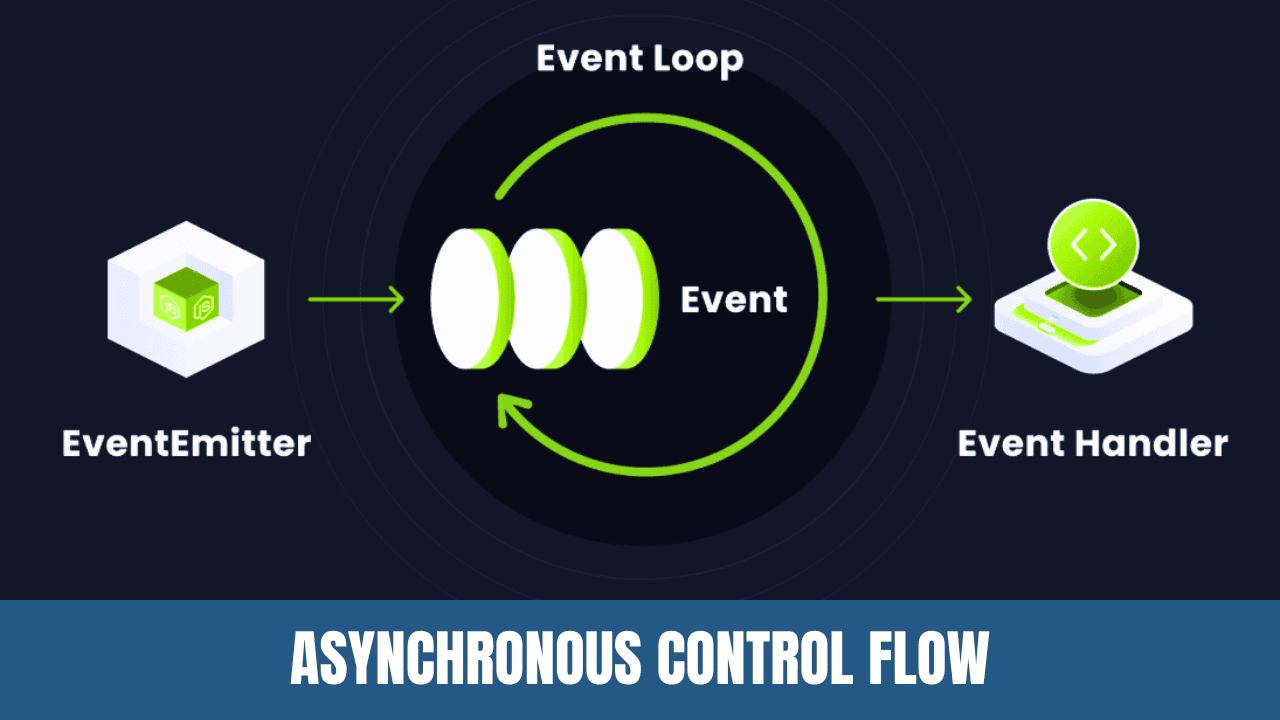
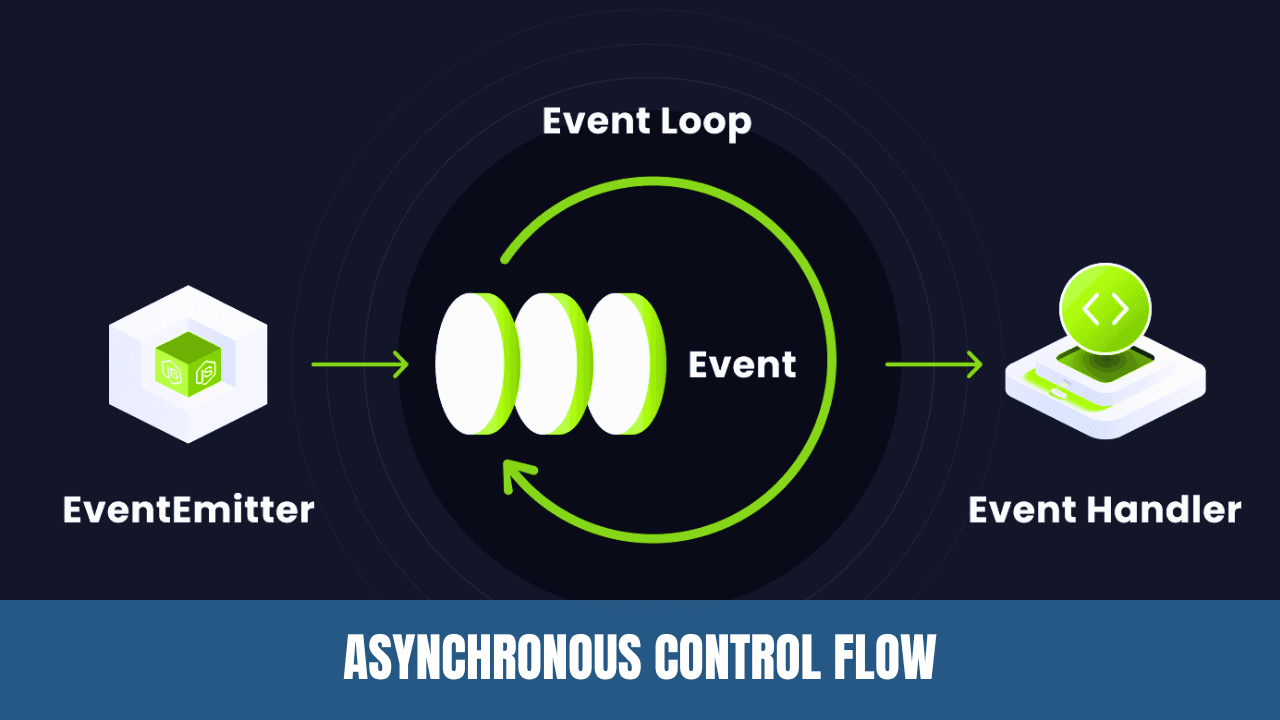
Node.js utilizes an event-driven architecture. This approach makes use of events to trigger the functioning of certain parts of code.
- Event Loop: Node.js continually checks for events and executes the callback functions when an event is detected. This is known as the event loop, a cycle that handles incoming events and their corresponding callback functions.
- Emitters and Listeners: Events are managed through emitters and listeners. The emitter sends or "emits" events, while listeners are functions that respond to these events.
- Non-blocking Behavior: Since events are handled asynchronously, Node.js can process other tasks without waiting for an event to complete. This non-blocking behavior enhances efficiency and scalability.
2. Asynchronous Programming
Asynchronous programming is a programming paradigm that allows operations to run simultaneously, not sequentially. Node.js leverages this concept to maximize efficiency.
- Callbacks: Callbacks are functions that are passed as arguments to other functions and executed at a later time. They enable the program to continue running other tasks while waiting for a particular operation to complete.
- Promises: Promises are objects that represent the eventual completion or failure of an asynchronous operation. They provide a way to handle asynchronous operations in a more structured manner, making code more readable.
- Async/Await: Introduced in later versions of Node.js, async/await further simplifies the handling of asynchronous operations by allowing developers to write asynchronous code in a synchronous style.
3. Core Modules and NPM
Node.js comes with a wide array of core modules that provide essential functionalities.
- File System Module: This module enables interaction with the file system, allowing reading, writing, and other operations.
- HTTP Module: It allows Node.js to transfer data over the HyperText Transfer Protocol (HTTP).
- Node Package Manager (NPM): NPM is a package manager for JavaScript, providing a large repository of packages that extend the functionality of Node.js applications.
Conclusion
Node.js has emerged as a powerful tool for building scalable and efficient web applications. By understanding its event-driven architecture, asynchronous programming concepts, and core modules, developers can establish a solid foundation in Node.js. This knowledge serves as a stepping stone to create dynamic, responsive, and performant web applications.
By delving into these key concepts, this article aims to equip readers with the fundamental principles of Node.js, aiding them in their journey to become adept at using this innovative technology. Whether a beginner or an experienced developer, understanding these fundamentals is crucial for the effective utilization of Node.js in modern web development.

Vishal writes Trickyworld's tutorials and interview-preparation guides on programming, databases, cyber security and AI. Vishal has been shipping production software long enough to have firm opinions about Python, PHP, Node.js, and JavaScript, and to have been wrong about each of them at least once. The work has run the whole stack: Drupal and Laravel applications, React front ends, MySQL and MongoDB underneath, Redis and Memcached for the things that had to be fast, Apache Solr for the things that had to be findable. That last part turned out to matter more than anyone expected. Tune a Solr index for a season, then watch a language model confidently retrieve the wrong document, and you recognise an old problem wearing new clothes. Most of what is hard about AI systems is not the model. It is retrieval, caching, latency budgets, and deciding what the system does when the answer comes back wrong — which is work he has been doing since well before anyone called it AI engineering. He plays a lot of games, which is less a hobby disclosure than an admission of where a good share of his engineering instinct came from. Real-time systems with a frame budget. State that has to stay coherent while a player does something no designer anticipated. The permanent question of what happens when the frame cannot finish in time. Those habits carry over more directly than they have any right to. He has written several books on programming, all built on the same conviction: most technical writing is unclear because the author never decided what to leave out. More from Vishal → · Editorial policy